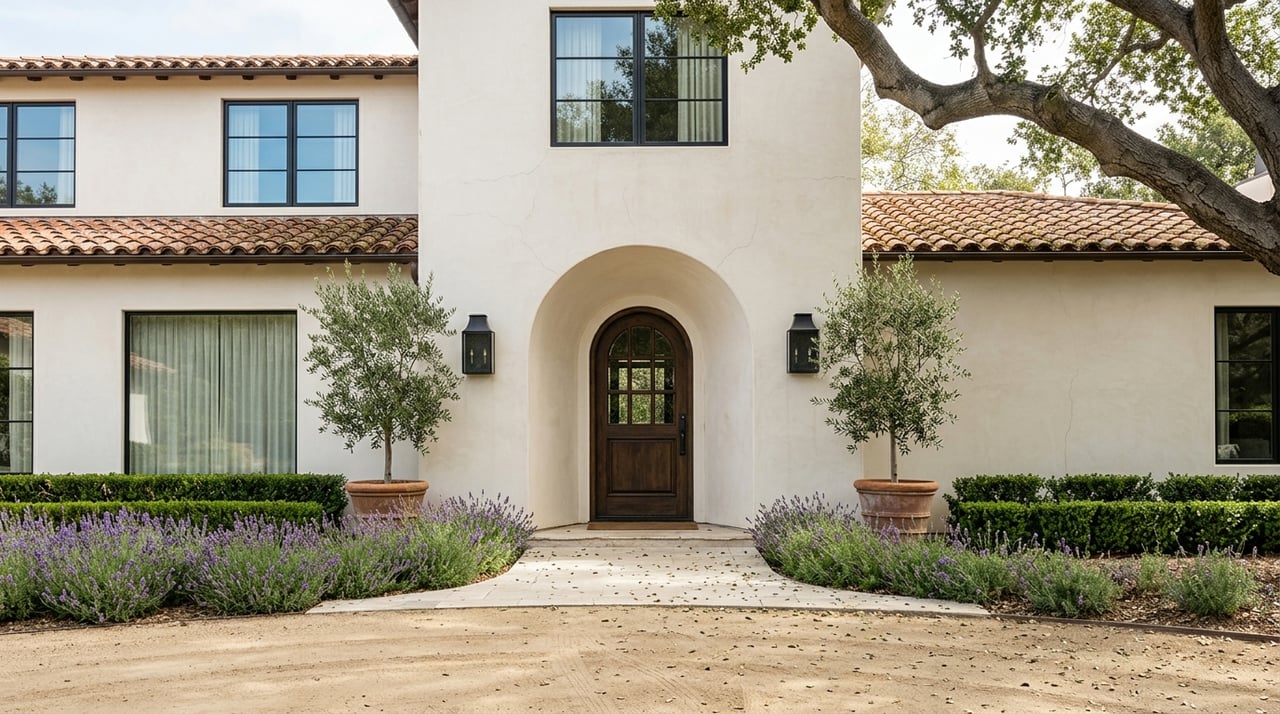
Which Hillsborough Luxury Home Architecture Fits?
June 11, 2026
June 11, 2026
If you are shopping for a luxury home in Hillsborough, style is not just about taste. It affects how a home lives, how it fits its lot, and how confidently you may feel about long-term value in one of the Peninsula’s most design-conscious markets. Understanding the differences between classic estates, contemporary homes, and thoughtfully expanded properties can help you look past surface beauty and make a smarter decision. Let’s dive in.
Hillsborough’s residential identity was shaped by estate development that grew quickly after the 1906 San Francisco earthquake. The town’s own design guidance describes a community built around finely crafted homes on large estates, with quality residential design serving as a defining feature over time.
That legacy still matters today. Hillsborough is almost entirely a single-family residential town, and official planning documents state that low-density single-family housing on large lots is the predominant land use. The town is also largely built out, which means buyers are often choosing among homes with established architectural character rather than new subdivisions or mixed-use settings.
Style also matters because exterior changes are reviewed carefully. Hillsborough’s Architecture and Design Review Board reviews new homes, additions, landscaping, gates, fencing, and other exterior work, and the town’s guidelines cover everything from site planning and massing to windows, roofs, materials, and landscaping. In practical terms, that means design quality and architectural fit carry real weight here.
The town’s design materials note that Hillsborough includes a wide range of architectural styles. Official examples include Romanesque, Victorian, Bay Region, French Eclectic, Tudor, California Ranch, Modernism, and International Style.
For most luxury buyers, these styles often group into three broad categories that are useful when comparing homes:
Each can work beautifully in Hillsborough. The key is understanding what each style tends to offer and where execution matters most.
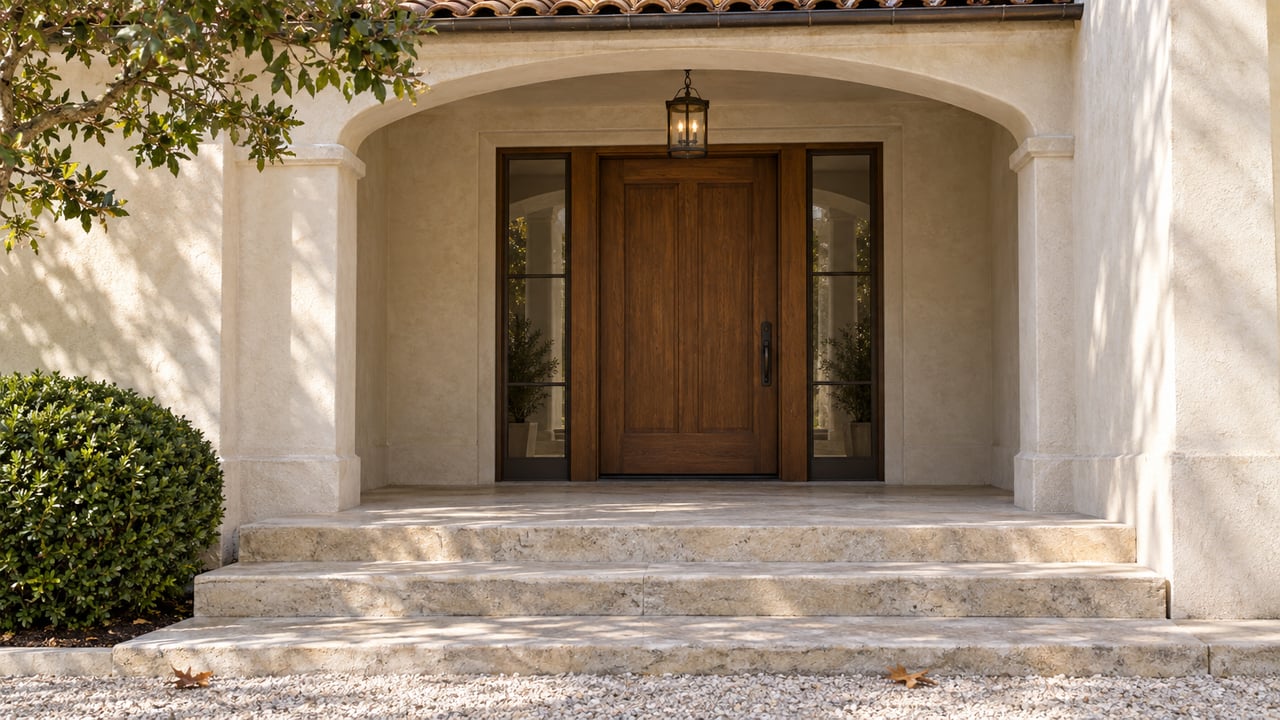
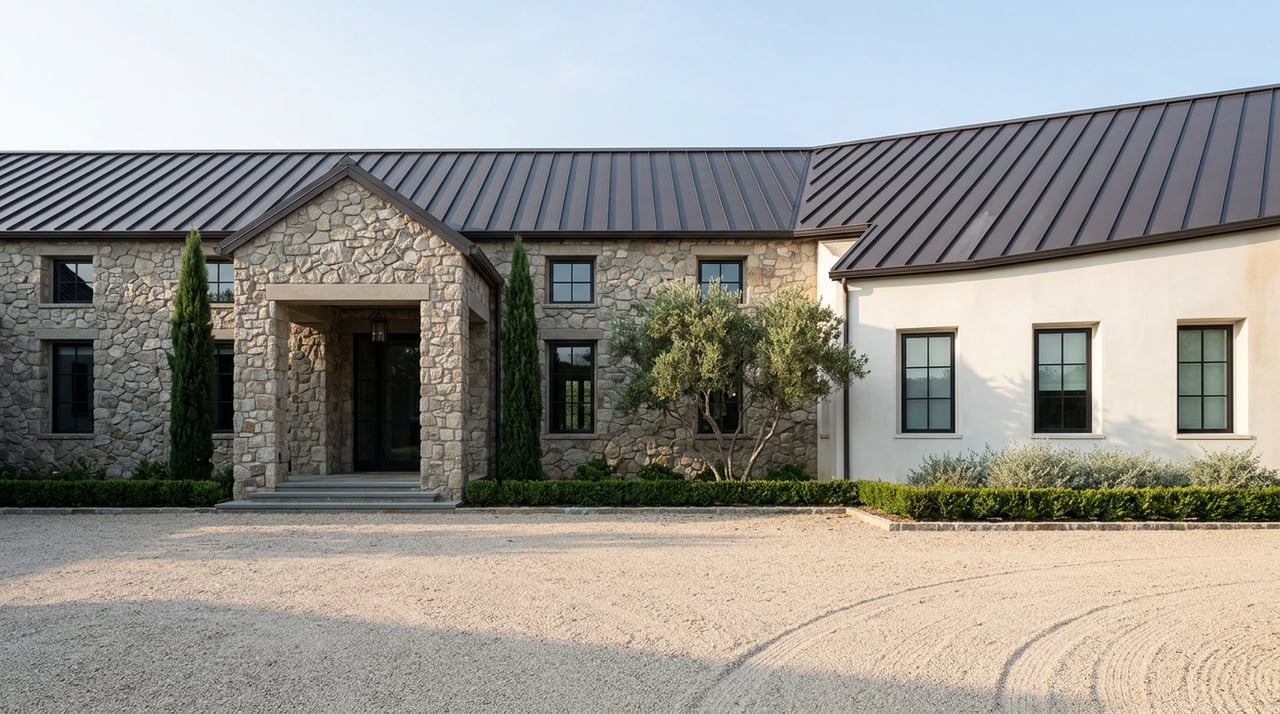
Traditional estate homes are closely tied to Hillsborough’s historic identity. Official preservation records identify landmark properties such as Carolands as Beaux Arts / American Renaissance and Newhall Estate as Beaux Arts Classical with French influences, giving helpful context for the type of formal estate architecture that has long defined the town.
In Hillsborough, traditional estates often include architectural language such as Beaux Arts, American Renaissance, French Eclectic, Tudor, and other estate-scale traditional forms. These homes typically emphasize formal arrival, generous proportions, and a strong relationship to the surrounding grounds.
You may notice long driveways, composed facades, symmetrical or carefully balanced elevations, and landscape design that feels integrated with the home. In many cases, the architecture aims for presence and polish without looking flashy. That aligns with the town’s own guidance, which favors restrained opulence over showiness.
Traditional estates often appeal to buyers who value privacy, architectural gravitas, and entertaining space. These homes can offer a strong sense of arrival and a layout that feels distinct room by room rather than fully open.
That can be a plus if you want separation between formal entertaining areas and everyday living. At the same time, some buyers may find older floor plans less casual than what they use day to day, especially if they are coming from a more contemporary home.
In Hillsborough, well-preserved traditional estates are often easy for buyers to understand emotionally. They connect directly to the town’s estate history and design culture, which can support lasting appeal when the architecture, condition, and lot fit all align.
For resale, the strongest examples usually feel authentic to their era while still functioning well for modern living. A classic home with careful updates often reads better than one that has been altered in a way that weakens its original language.
Contemporary design has a real place in Hillsborough, but the town expects it to be disciplined and site-aware. The Residential Design Guidelines note that Hillsborough has strong examples of Modernism, while also stating that modernist subtypes receive higher scrutiny during design review because poorly executed modernist design can affect surrounding properties.
Hillsborough’s modern lineage is not theoretical. Local landmarks include the Hofmann House, an International Style / Modern Movement work by Richard Neutra, and the Bazett House, one of Frank Lloyd Wright’s Usonian houses.
These examples point to a version of contemporary design that is thoughtful rather than trendy. In Hillsborough, the most successful contemporary homes tend to feel anchored to the site, responsive to topography and tree cover, and restrained in their material choices.
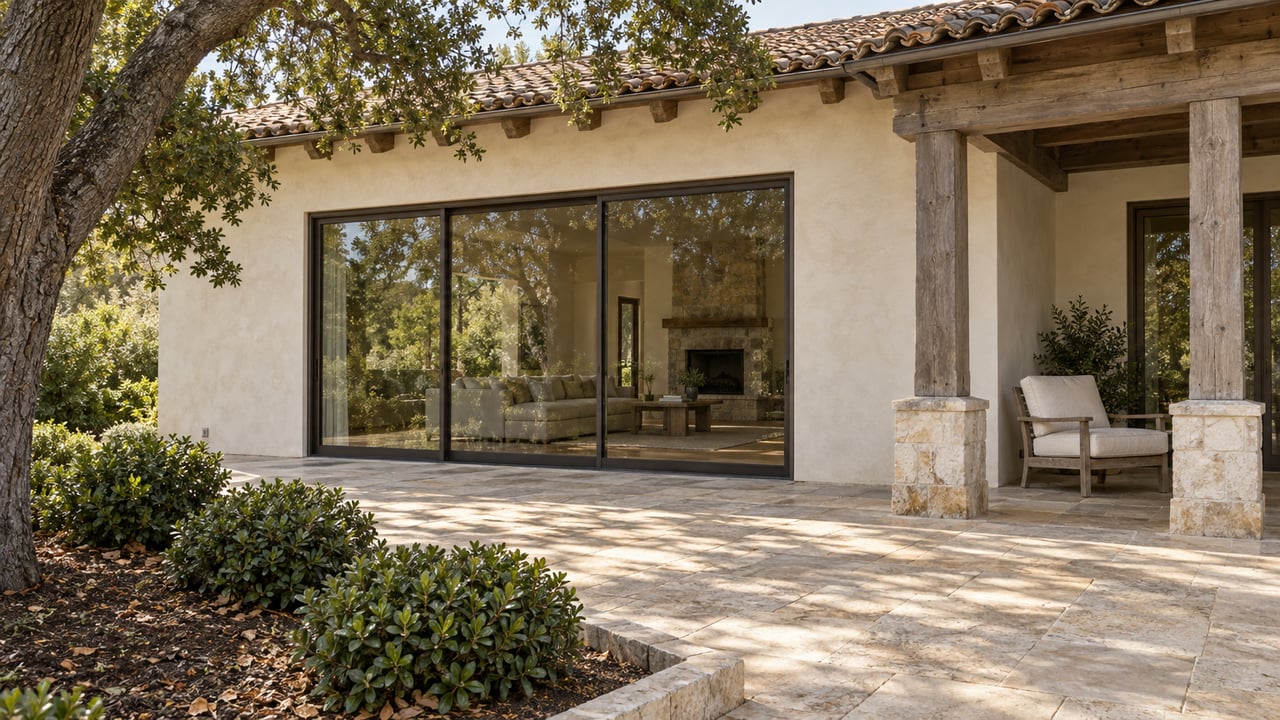
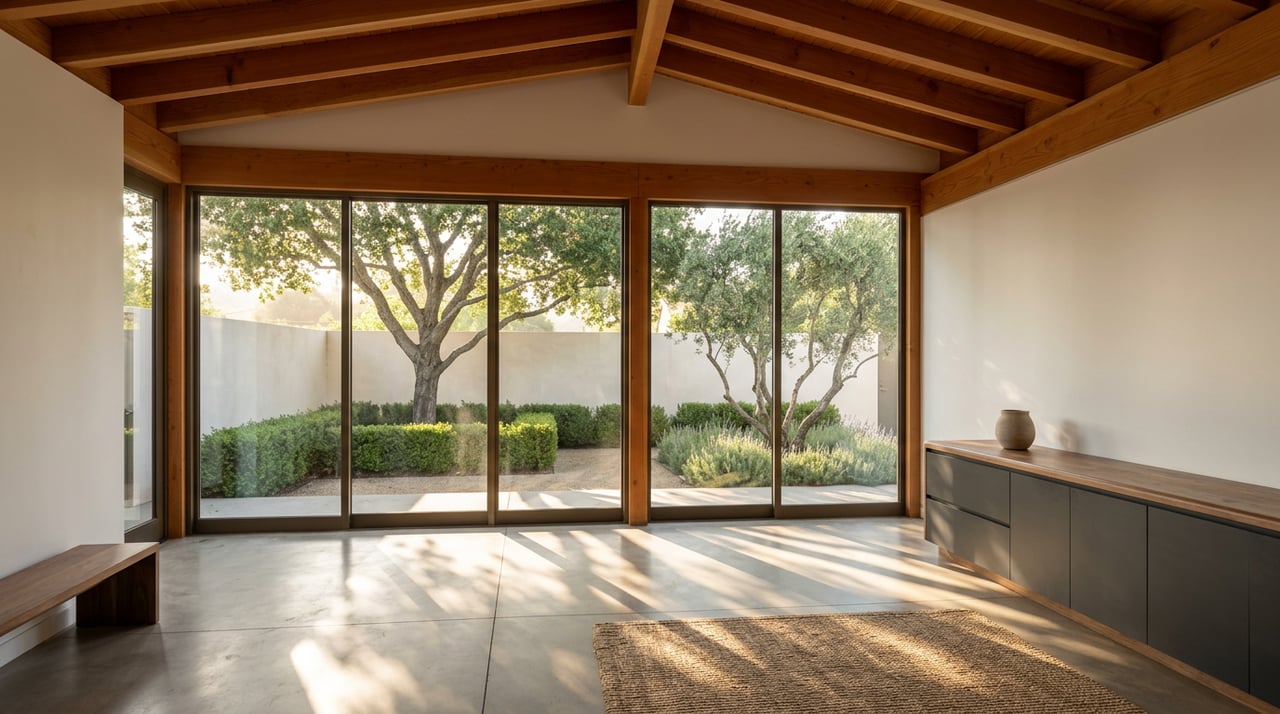
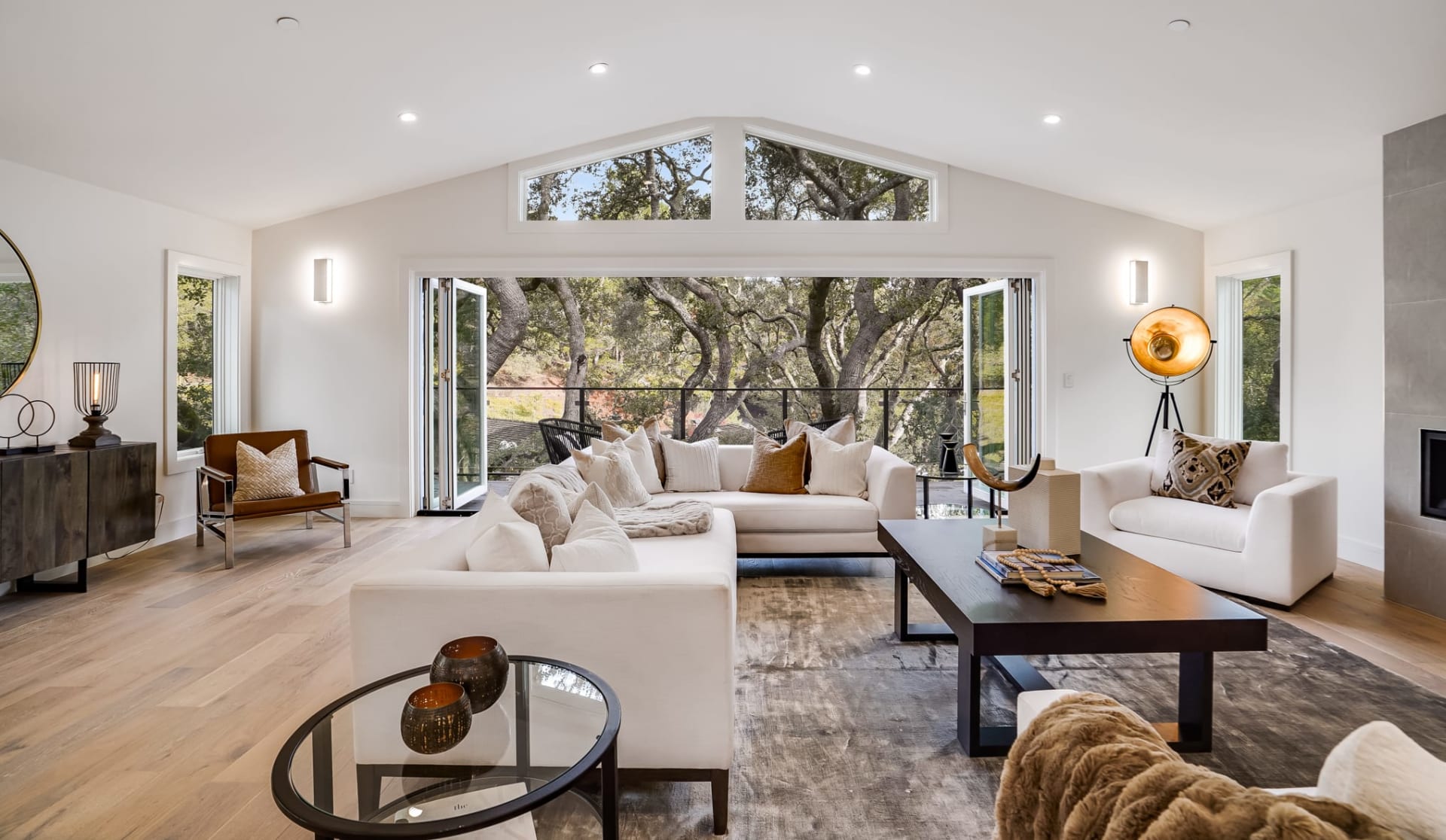
For everyday function, contemporary homes often offer some of the clearest advantages. Open layouts, abundant natural light, and stronger indoor-outdoor flow are common benefits associated with modern planning.
If your lifestyle centers on informal gathering, flexible family space, or seamless access to terraces and gardens, contemporary architecture may feel especially natural. The appeal is often less about spectacle and more about ease of living.
A strong contemporary home can stand out positively in Hillsborough. But because modernism is treated as a non-predominant style and receives more scrutiny, the quality of execution matters a great deal.
That does not make contemporary homes a resale risk. It simply means buyers often respond best when the architecture feels intentional, balanced, and appropriate to the parcel rather than driven by short-term trends.
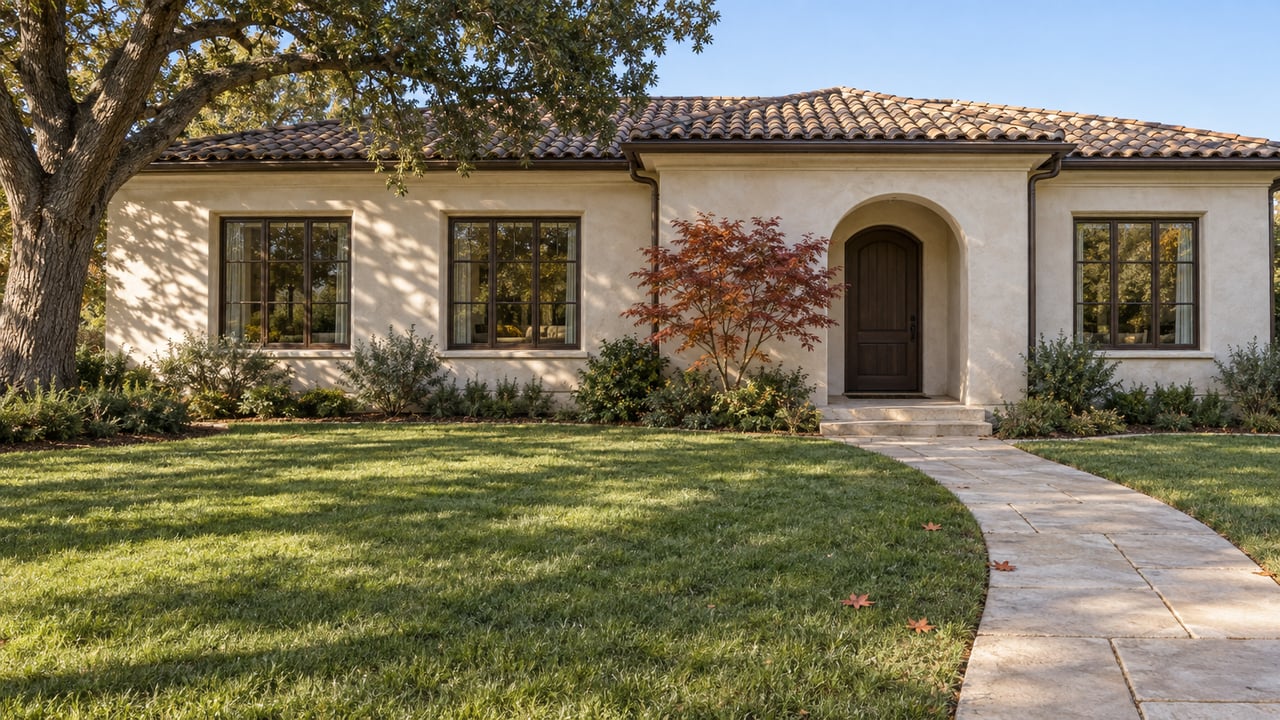
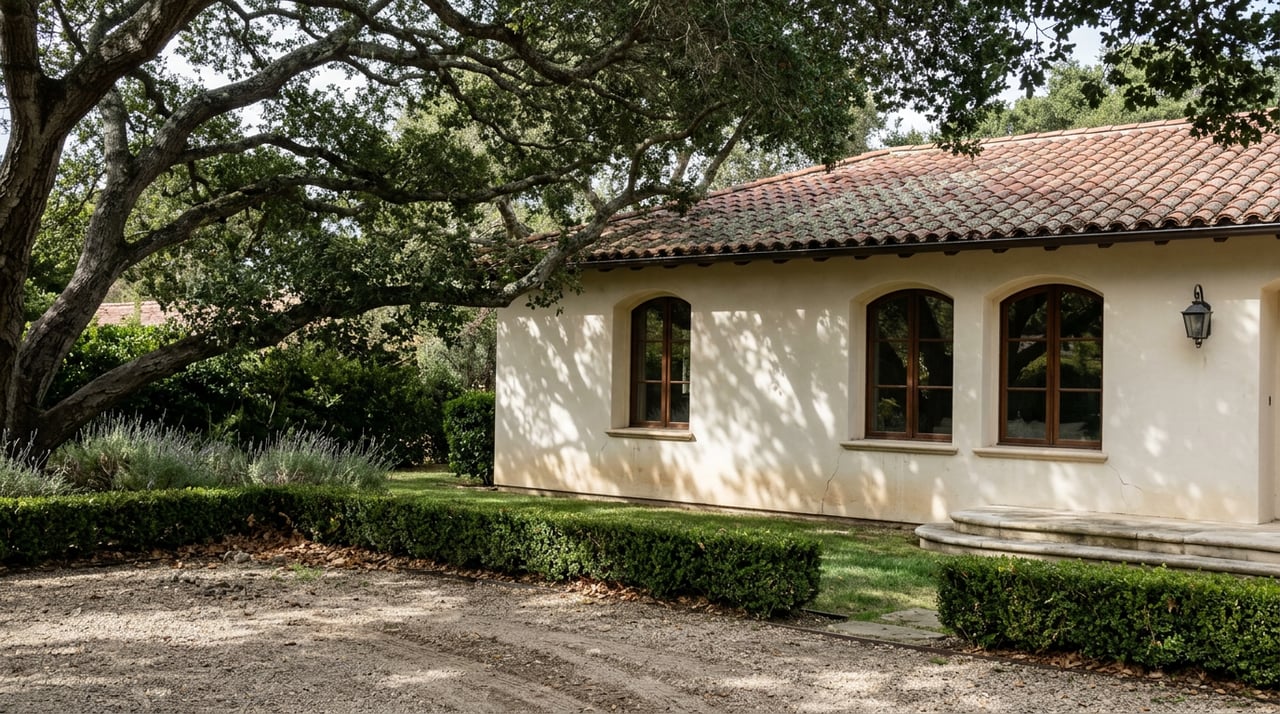
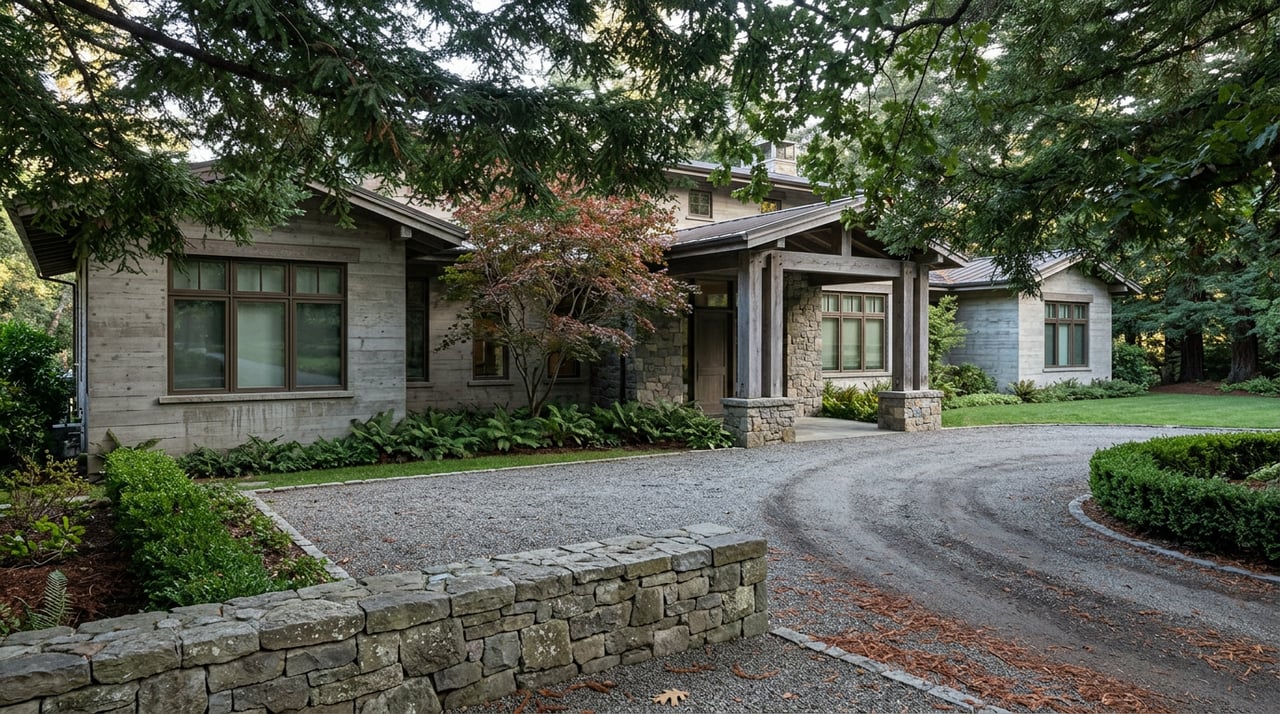
Many Hillsborough homes are older or have evolved over time, so additions and remodels are part of the town’s normal housing life cycle. The Residential Design Guidelines are intended for both new construction and renovations, and the town makes clear that the goal is to maintain Hillsborough’s standards for quality while accommodating modern life.
In Hillsborough, an addition is not just a permit issue. It is also a design issue. Because the ADRB reviews additions and other exterior changes, a successful expansion usually needs to respond to site planning, massing, roof forms, windows and doors, materials, and landscape design.
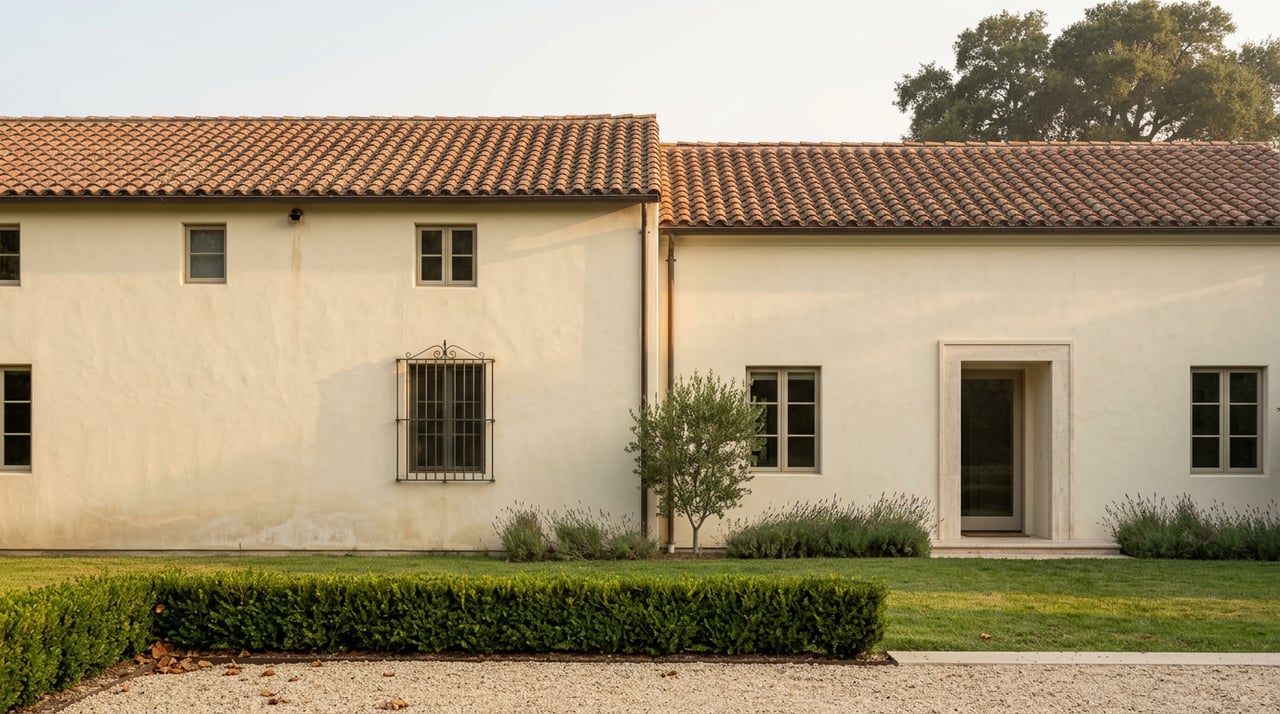
The best expanded homes tend to look cohesive rather than patched together. Instead of reading like an obvious appendage, the addition feels like a natural extension of the original architectural language.
A thoughtful expansion can offer a compelling middle ground. You may get the benefit of a desirable lot, mature landscaping, and established architectural character, along with the updated kitchen flow, private primary suite, office space, or guest flexibility that many buyers want today.
That combination can be especially appealing in Hillsborough, where lot quality and relationship to the site are such important parts of value. When done well, an expanded home often feels like a more livable version of the town’s established estate vocabulary.
Expanded does not automatically mean compromised. In many cases, buyers respond well when the addition preserves the home’s relationship to the lot and reinforces, rather than competes with, the original design.
For resale, the key question is usually simple: does the home feel unified? If the answer is yes, an expanded property can compete very well with both traditional and newer alternatives.
When you tour luxury homes in Hillsborough, it helps to look beyond finishes and ask a few sharper questions. Architecture here is tied closely to context, review standards, and long-term livability.
In Hillsborough, the parcel matters. Official code requires substantial lot dimensions, and the town’s character is shaped by large, single-family sites with meaningful frontage and width.
As you compare homes, pay attention to how the house sits on the land. A successful home usually feels settled into the lot, not oversized for it or disconnected from its topography and landscaping.
Whether a home is traditional, contemporary, or expanded, coherence matters. Rooflines, window patterns, materials, scale, and landscape choices should feel like part of the same story.
This is especially important in a town where design review is detailed and where composed design tends to be rewarded. Homes with a clear architectural point of view often feel more confident and more enduring.
A formal estate can be beautiful, but it may not match the way you live. A contemporary home can feel effortless every day, but only if you like the openness and visual simplicity that usually come with it.
An expanded home can split the difference in a very effective way. The right choice depends on whether you prioritize formality, flexibility, privacy, ease of entertaining, or a blend of all four.
Because Hillsborough reviews many exterior changes closely, buyers should think ahead before assuming they can easily reshape a property. The town’s design system is thorough by design, and future projects need to align with the General Plan and applicable review standards.
That does not mean improvement is off the table. It means a home that already matches your needs and aesthetic goals may carry extra value because it reduces approval friction later.
Recent market data point to the same broad conclusion: Hillsborough is a high-end market where architecture, lot fit, and execution matter. Reported April 2026 figures include a median sale price of $7.245 million from Redfin, an average home value of $5.422 million from Zillow as of April 30, 2026, and a median listing price of $7.99 million with 31 active listings from Realtor.com.
These figures are based on different methodologies, so they are not directly comparable. Still, together they reinforce that Hillsborough operates at a luxury level where buyers are often evaluating more than square footage alone.
In this kind of market, style can influence how clearly a home communicates its value. Buyers are often weighing authenticity, livability, privacy, approval complexity, and long-term confidence, not just visual appeal.
If you love legacy architecture, formal entertaining, and estate presence, a traditional home may feel like the clearest fit. If you prioritize open flow, daylight, and modern everyday function, a well-executed contemporary home may be the better match.
If you want character without giving up practical updates, a thoughtfully expanded home can be an excellent option. In Hillsborough, there is no single best style. There is only the style that best fits your routine, your design preferences, and the level of architectural coherence you want in a long-term investment.
The advantage of working with a local advisor is not just finding inventory. It is understanding which homes truly fit Hillsborough’s design culture and which ones may raise more questions than they answer. If you are exploring Hillsborough luxury homes and want discreet, informed guidance, connect with Michael Warren for a confidential conversation.
Stay up to date on the latest real estate trends.
Whether it a first-time home buyer or a 10+ Million listing, Michael brings an innovative approach and earns the respect of his clients by working tirelessly on their behalf and always offering candid advice. Contact him today to discuss all your real estate needs!
Connect with Michael.
[email protected]
(650) 315-0224
License #01968537
2930 Woodside Road, Woodside, CA 94062