What to Know About Portola Valley Indoor-Outdoor Homes
June 25, 2026
June 25, 2026
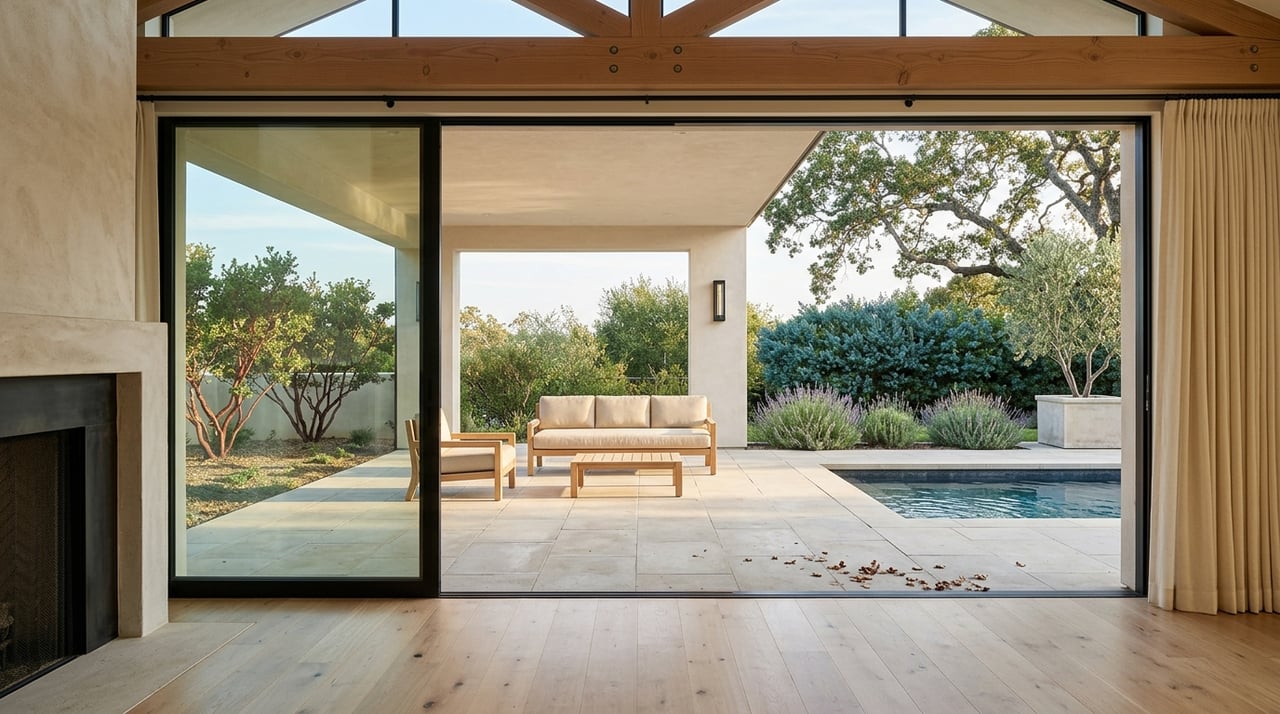
Looking for a home that feels bigger than its square footage? In Portola Valley, indoor-outdoor living is not just a design trend. It is part of how many properties connect to the land, the views, and the everyday rhythm of life on the Mid-Peninsula. If you are buying or selling here, understanding what makes these spaces work can help you see value more clearly. Let’s dive in.
Portola Valley is defined by its natural setting. The town describes itself as a wooded community with a rural feel, slow growth since 1964, and roughly 1,900 acres of permanent open space within town limits. It also notes more than 36 miles of unpaved trails and paved paths used by hikers, bikers, and equestrians.
That setting shapes what many buyers expect from a home. Outdoor access here often feels woven into daily life rather than saved for weekends. Midpen reports that Windy Hill Preserve connects closely to town through Portola Road, overflow parking at the Town Center, and the Portola Trail link, which helps explain why proximity to trails can feel like a real household amenity.
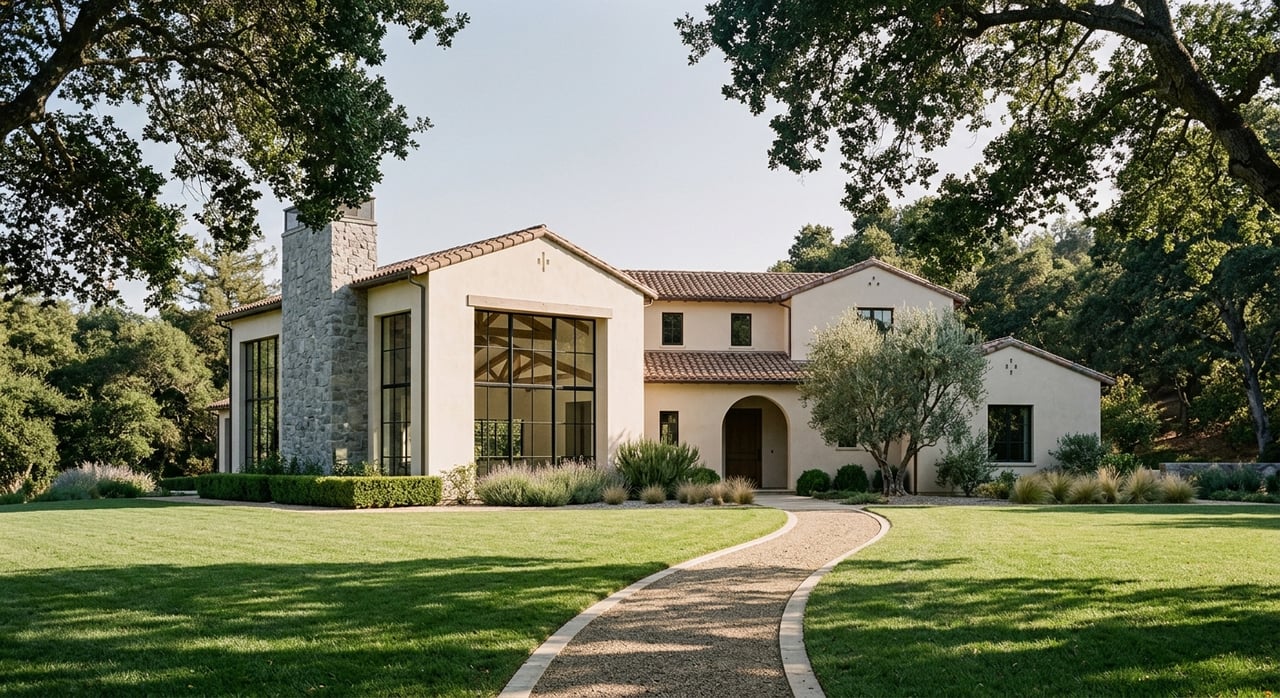
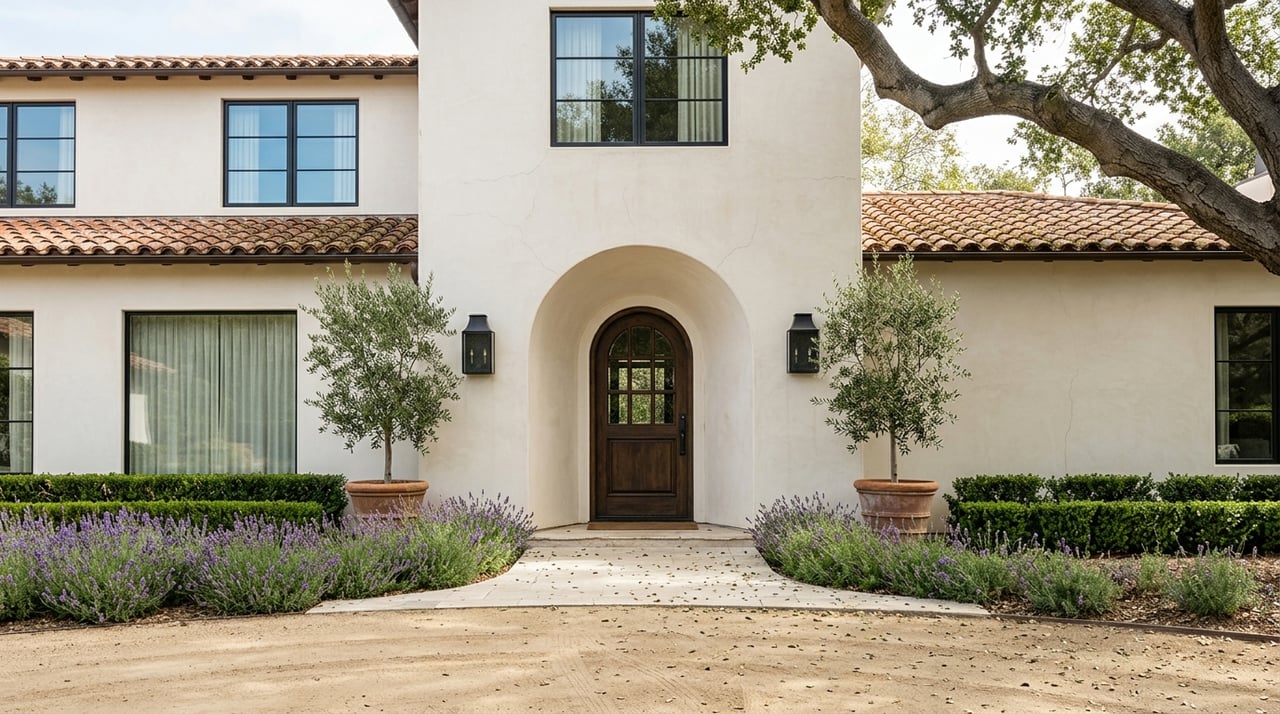
Portola Valley’s design language is rooted in the site itself. Town design guidelines call for homes to integrate with natural topography, preserve mature trees, protect view corridors, and remain subordinate to the landscape. In practical terms, that means the most compelling properties often feel settled into the parcel rather than placed on top of it.
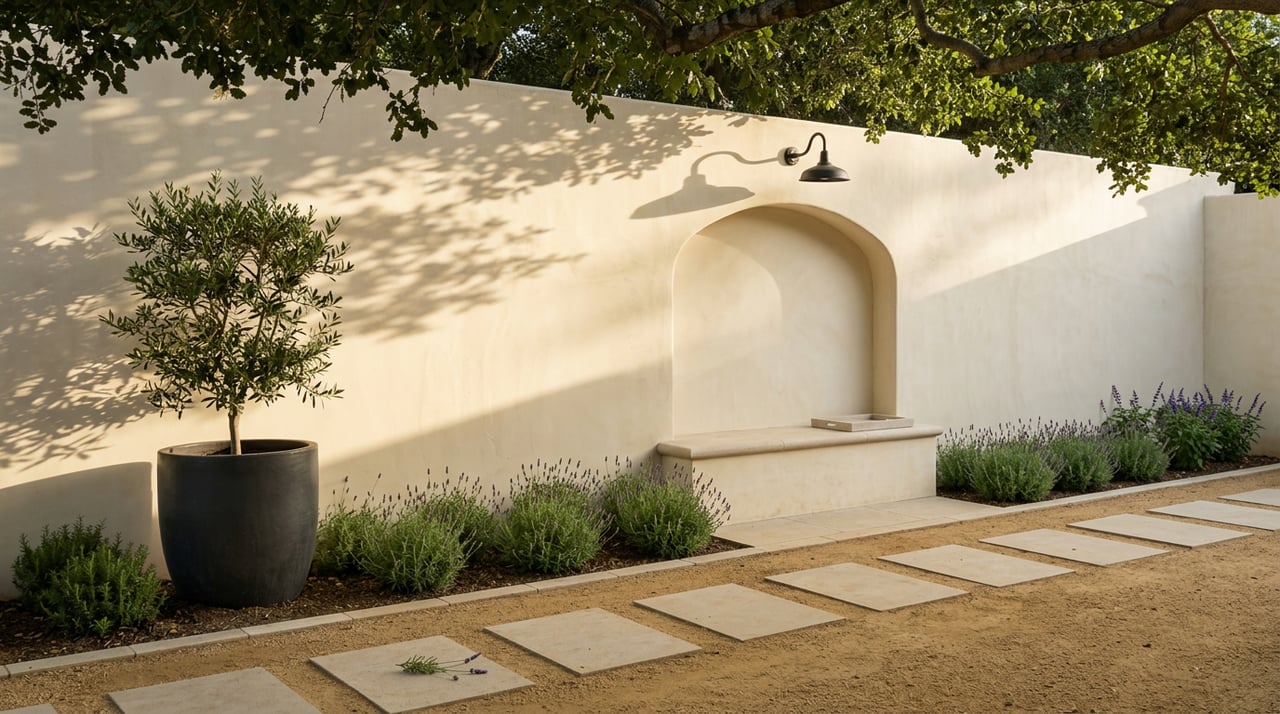
For you as a buyer, this can show up in subtle but meaningful ways. A deck may sit low and follow the slope. A terrace may frame a view without overpowering the land. Materials and colors often work best when they blend with the environment rather than compete with it.
In Portola Valley, indoor-outdoor living usually feels strongest when it supports the property’s natural setting. Common elements may include:
These features matter because they create continuity. Instead of treating the yard as separate from the home, they make outdoor space feel like another room with a strong sense of place.
One reason indoor-outdoor living works so well on the Peninsula is climate. A nearby NOAA station in Redwood City reports a 1991 to 2020 annual mean temperature of 59.4°F and annual precipitation of 19.02 inches, with July and August essentially dry. While that is not Portola Valley-specific station data, it offers a useful nearby baseline.
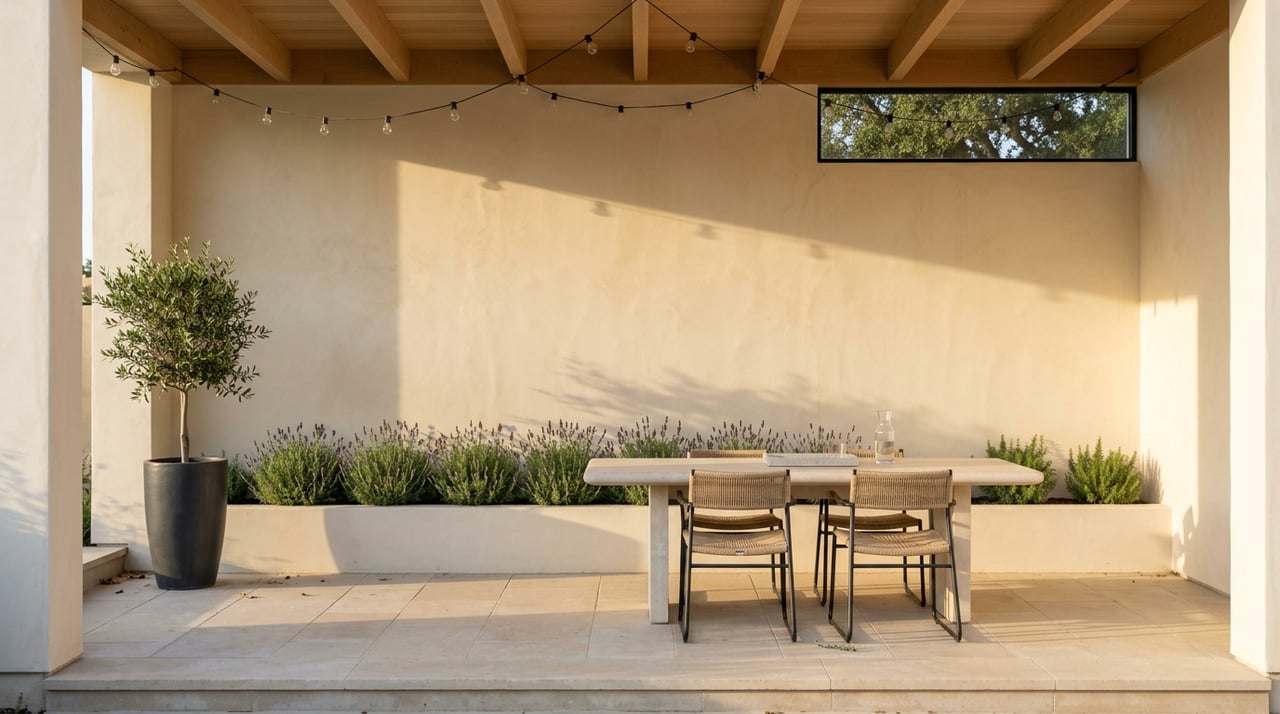
For you, that means patios, decks, terraces, and garden spaces can function as real living areas for much of the year. Morning coffee outside, outdoor dining, and flexible entertaining space are often realistic parts of daily life rather than occasional luxuries.
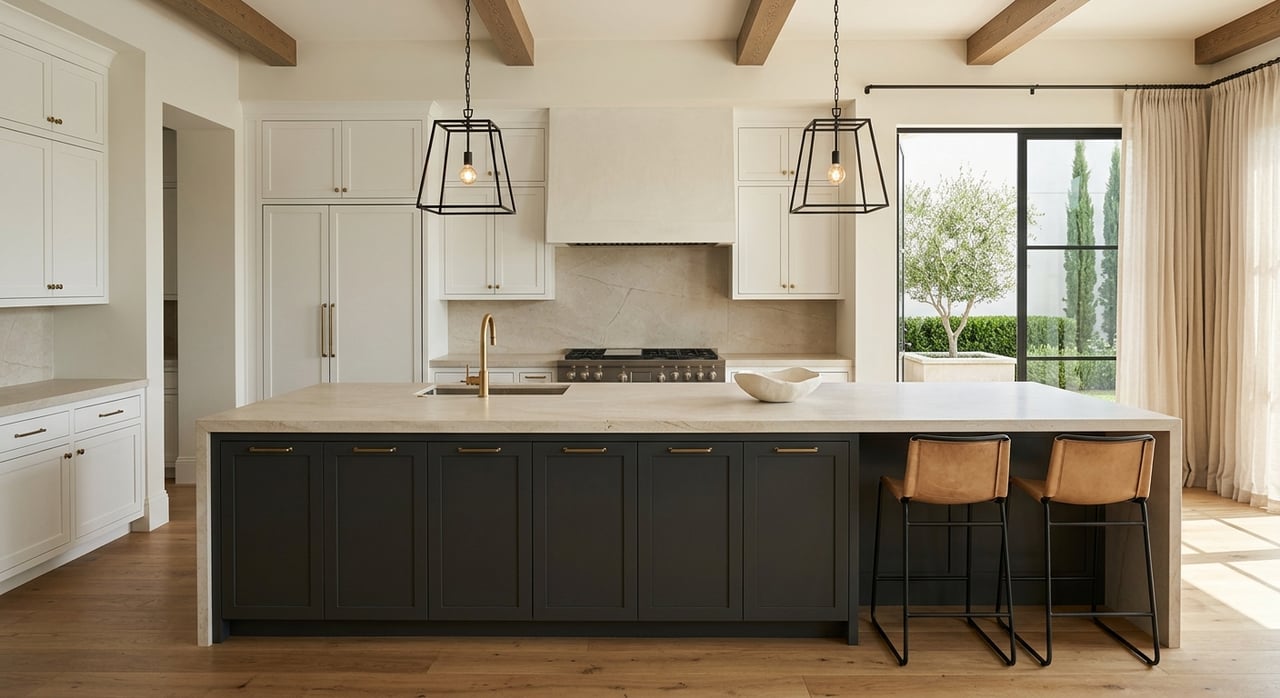
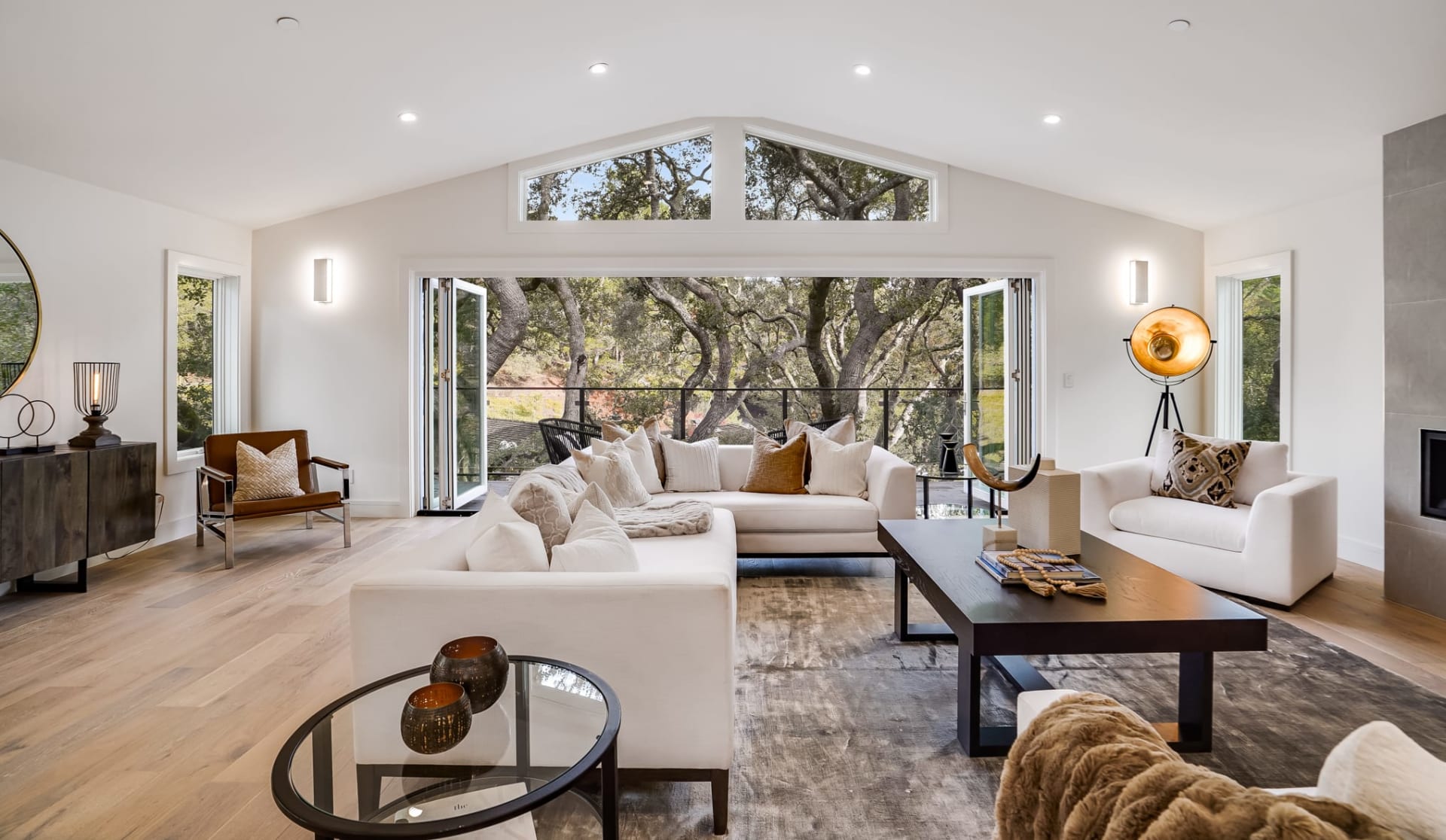
When buyers walk through Portola Valley homes, they often respond quickly to spaces that create an easy indoor-outdoor flow. That might be a living room opening to a terrace, a kitchen connected to a dining patio, or a primary suite with direct access to a private garden area.
These features are not only about appearance. They can influence how the home lives day to day, especially when they create smoother circulation, better natural light, and stronger connections to the surrounding parcel.
In Portola Valley, great outdoor spaces also need thoughtful upkeep. The town’s wildfire preparedness materials emphasize defensible space around homes and attached decks, removal of combustible material near structures, and home-hardening measures such as noncombustible fences and decks, ember-resistant vents, enclosed eaves, and tempered windows and skylights.
That means the best outdoor living areas balance beauty with practical planning. A well-designed deck or garden is most appealing when it supports both enjoyment and responsible property stewardship.
If you are evaluating a property, it helps to look beyond the visual appeal of the outdoor space. Consider whether the home reflects practical site management, such as:
These details can help you understand how well the property has been maintained and how easily you may be able to enjoy it over time.
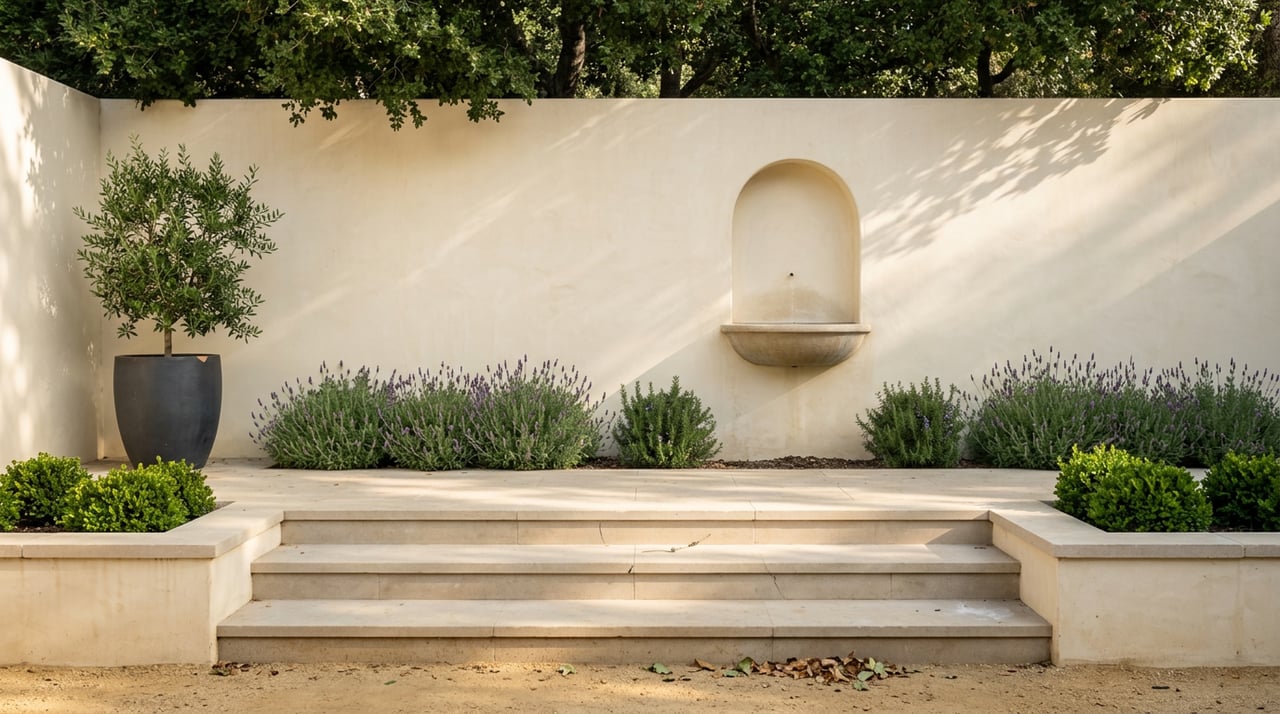
Portola Valley’s design guidance recommends native plants, simple and natural planting patterns, and transitions that blend into adjacent open areas. The town also notes that native plantings are favored because they help preserve the natural environment and generally need less irrigation and maintenance.
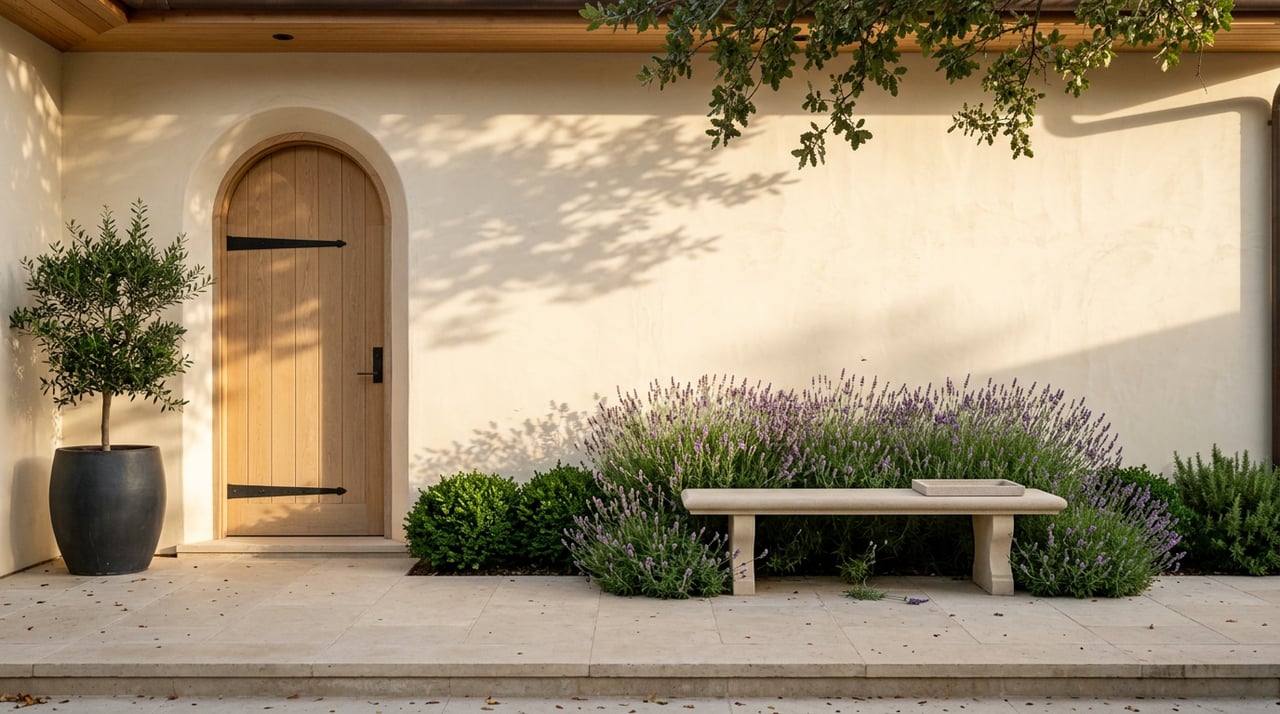
For homeowners, that creates a strong match with indoor-outdoor living. Native landscaping can support a calmer, more natural look while also helping outdoor rooms feel appropriate to the site. It can also reduce the sense that the landscape is overly formal or disconnected from the land around it.
The most effective outdoor spaces in Portola Valley are not always the most elaborate. Often, they are the ones that frame the landscape, respect existing trees, and create comfort without overbuilding the site.
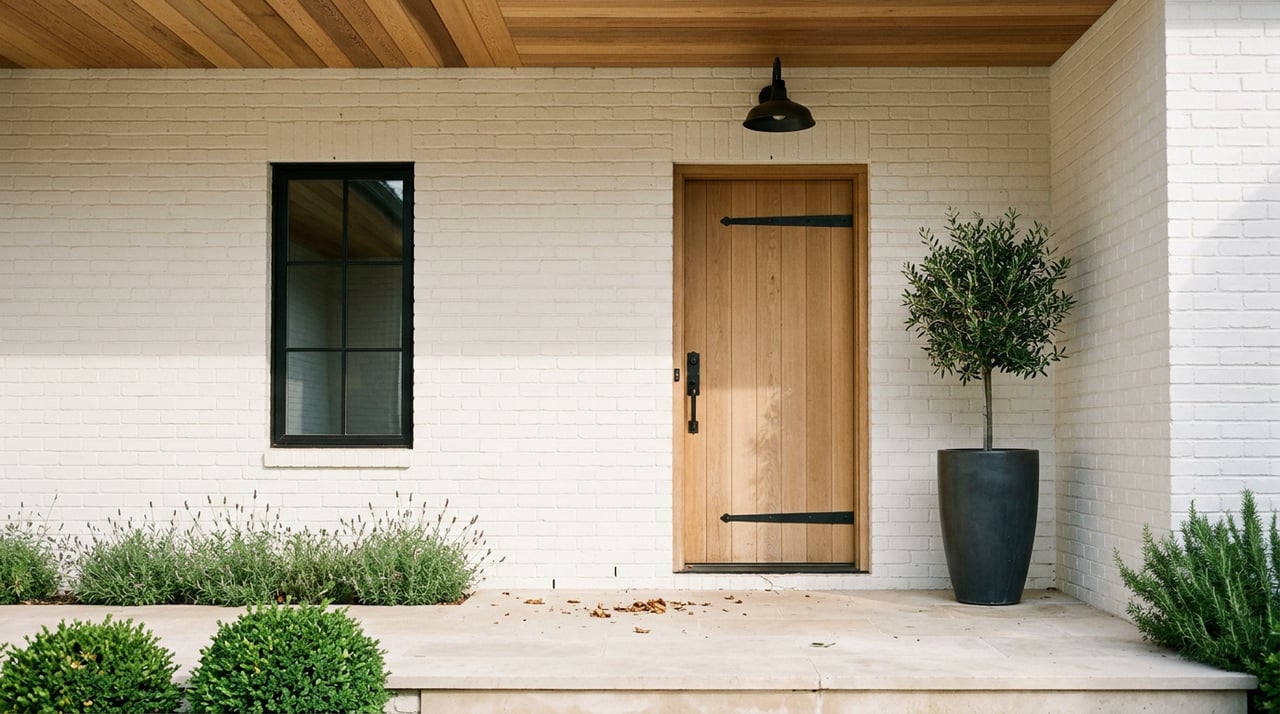
Town guidelines also encourage restrained exterior lighting. Lighting should stay close to entries and accessways, avoid decorative excess, and minimize spillover onto neighboring properties. That approach supports a quieter experience outdoors and preserves the natural feel many buyers come here for.
If you are searching in Portola Valley, indoor-outdoor living should be evaluated as more than a style feature. It is often tied to the setting, lot usability, privacy, view orientation, and how naturally the house sits on the land.
A beautiful patio alone is not the whole story. You may want to pay attention to how the home opens to the outdoors, whether the landscape feels integrated, how outdoor areas relate to sun and shade, and whether the property reflects the design values that shape the town’s character.
As you tour homes, ask yourself:
These questions can help you separate features that simply photograph well from features that may add lasting lifestyle value.
For sellers, indoor-outdoor living can be one of the most persuasive parts of the story, especially in a market like Portola Valley. The town’s architectural review framework is designed to preserve visual character and limit excessive clearing, grading, and tree removal. That makes site-sensitive features especially important.
Mature trees, view corridors, native plantings, and decks or terraces that feel integrated with the parcel are not just nice extras. They can help show that the property fits the expectations and visual character of the area.
If you are preparing to sell, it helps to highlight indoor-outdoor value with clarity and restraint. Focus on the relationship between the home and the land, rather than simply listing outdoor amenities.
A strong presentation often includes:
For some properties, targeted preparation can make these features more legible to buyers. That is especially true when outdoor spaces have strong bones but would benefit from selective refreshes before going to market.
Buyer preferences help explain why indoor-outdoor living continues to matter. In the National Association of Realtors 2024 survey, buyers cited quality of the neighborhood, convenience to friends and family, availability of larger lots or acreage, outdoor space for pets, and access to parks and recreational facilities among important factors.
Portola Valley aligns naturally with many of those priorities. Its open space, trail access, and larger-lot character can make indoor-outdoor features feel like part of the location value, not just a design benefit inside the property line.
In many markets, indoor-outdoor living means adding a patio and a set of sliders. In Portola Valley, it usually means something more complete. It is about how the home sits on the land, how the landscape is preserved, and how the property allows you to enjoy the outdoors in a way that feels natural, usable, and responsible.
If you are buying, that perspective can help you recognize the homes that truly fit the setting. If you are selling, it can help you present your property in a way that speaks directly to what thoughtful buyers are already looking for.
If you are considering a purchase or preparing to sell in Portola Valley, Michael Warren can help you evaluate how a home’s indoor-outdoor design, site fit, and presentation may influence both lifestyle and market appeal.
Stay up to date on the latest real estate trends.
Whether it a first-time home buyer or a 10+ Million listing, Michael brings an innovative approach and earns the respect of his clients by working tirelessly on their behalf and always offering candid advice. Contact him today to discuss all your real estate needs!
Connect with Michael.
[email protected]
(650) 315-0224
License #01968537
2930 Woodside Road, Woodside, CA 94062