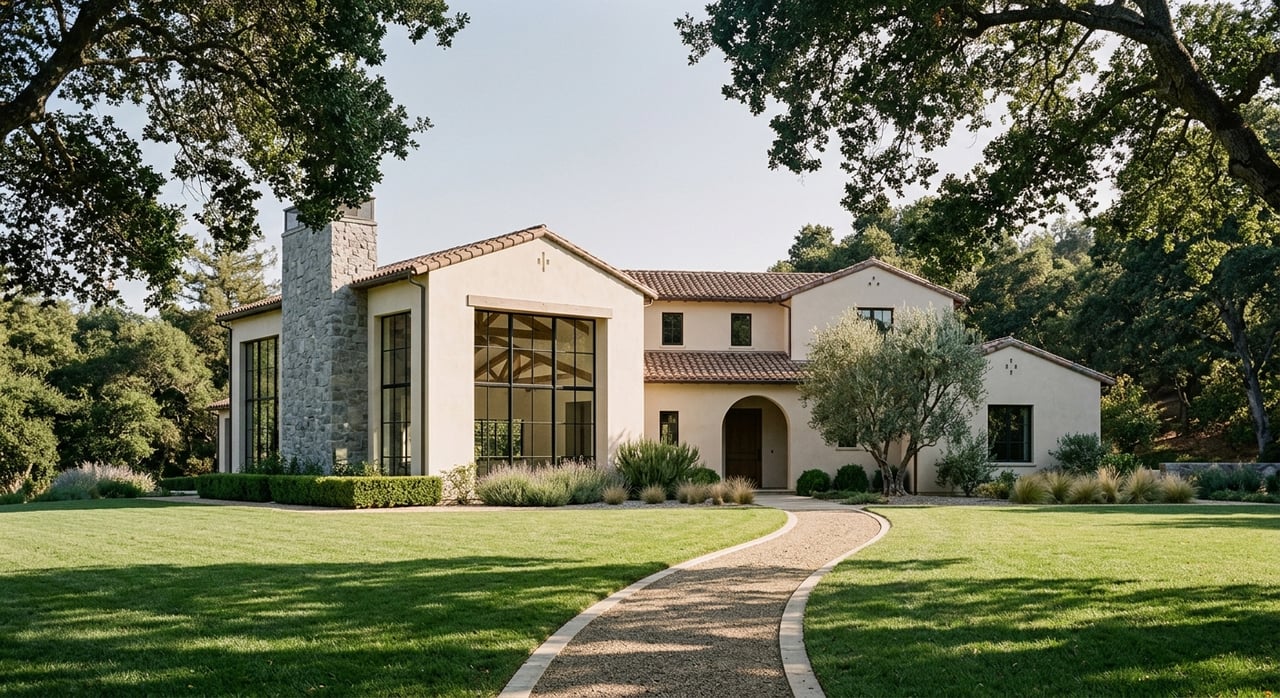
Planning A Portola Valley Acreage Sale
July 2, 2026
July 2, 2026
If you are thinking about selling acreage in Portola Valley, the biggest mistake is treating it like a standard home sale. Larger parcels often involve more moving parts, from vegetation rules and tree permits to septic, well, access, and fire-safety requirements. With the right plan, you can reduce surprises, protect your timeline, and bring your property to market with more confidence. Let’s dive in.
Portola Valley is a low-density community with strong zoning regulations, and that matters when you prepare a larger property for sale. Work that feels simple on paper, like clearing brush, removing trees, adjusting a driveway, or reshaping part of the land, may trigger Town review.
The Town recommends early contact with staff for larger projects. Depending on the scope, that can mean a virtual counter meeting, a pre-application meeting, formal submittal, and possible ASCC review. Since the ASCC meets on the second and fourth Mondays of the month, scheduling alone can affect your timeline.
For some properties, County review may also come into play. If your home relies on onsite wastewater or a private water supply, San Mateo County Environmental Health may need to review proposed work that affects septic or well systems.
Before you spend money on improvements, take stock of what is actually on the property and how it is documented. Acreage listings often include older site improvements, accessory structures, guest houses, pool houses, or other spaces that buyers will ask about.
In Portola Valley, unpermitted accessory structures that are being legalized must comply with current zoning and building codes. The Town also prohibits rentals under 30 days, which is important if a structure has been used informally in a way that could raise questions during escrow.
The Town also notes that its residential data report issuance is currently suspended while the database is being evaluated or updated. Historically, that report covered items such as zoning, authorized use, occupancy, recorded variances, exceptions, and special restrictions. Because that report is not currently being issued, it is even more important to organize your own records early.
If your property may need exterior work, brush clearing, tree removal, septic review, well review, or access changes, start several months ahead. This is the stage to separate cosmetic items from work that could require Town, fire-district, or County review.
Portola Valley’s virtual counter, pre-application process, and intake review are designed for this early planning stage. If County Health review is needed for septic or private water supply work, approvals can take time.
This is also the right window to confirm whether structures and uses are permitted, legal nonconforming, or undocumented. That one step can prevent serious delays later when buyers begin reviewing disclosures and title.
This is usually the best time for cleanup, repair work, and fire mitigation. In Portola Valley, defensible space is not optional or seasonal. The Woodside Fire Protection District requires year-round maintenance of Zones 0, 1, and 2, and combustible vegetation must be removed within 100 feet of structures.
If you need help with vegetation removal, the district also offers chipper service. For sellers, this can be a practical way to improve the property’s appearance while aligning with local fire-safety expectations.
If tree work is part of your prep, start early. Portola Valley treats certain mature oaks, redwoods, firs, bay laurels, maples, and madrones as significant trees, and removal can require a site development permit. The review may include a site visit, Conservation Committee review, and possibly a committee agenda item.
Once cleanup and approved repair work are complete, focus on presentation and paperwork. This is typically the time for staging, photography, and assembling the seller disclosure package.
That sequence matters. California disclosures address the property’s physical condition and known hazards or defects, while the Natural Hazard Disclosure Statement covers hazard-zone issues such as fire-related zones. For acreage properties, buyers may also pay close attention to easements, access, liens, and older improvements, which makes a preliminary title report especially useful.
Before your listing goes live, your seller packet should be organized and easy to share. Any available Town, County, permit, mitigation, or maintenance records should be ready because buyers for acreage properties tend to ask detailed questions early.
If the property is an improved parcel in the Woodside Fire Protection District, the district says AB 38 inspection requests now apply across the entire district, regardless of hazard zone. The seller must obtain documentation of compliance before close of escrow, and the district states that the inspection fee is $498.03 and includes up to two inspections.
In Portola Valley, fire preparation is one of the most visible and important parts of acreage sale planning. The Town says local fire ordinances exceed California standards, and the Woodside Fire Protection District says its ordinances govern all properties in the district.
For sellers, the practical goal is to make the property look maintained, defensible, and ready for buyer review. That often means cleaning roofs and gutters, clearing under decks and near structures, reducing fuel close to the home, and avoiding last-minute over-clearing that could create permit issues.
The Town’s wildfire guidance also points property owners toward lower-fire-hazard native plants and notes that several especially flammable species are banned from new planting. If you are updating landscaping before listing, that local guidance matters.
Acreage owners often assume site cleanup is straightforward. In Portola Valley, it may not be. The Town says a site development permit may be required for major grading or for vegetation removal over 5,000 square feet on vacant parcels or parcels over 10 acres.
The Town also requires permits for removal of certain significant trees, even if the tree is dead. Some routine trimming may be allowed without a permit, but work that could injure a significant tree or substantially reduce its size can still trigger review.
If your prep plan includes driveway changes, retaining walls, drainage work, or topography changes, speak with Town staff early. Larger additions, major grading, and substantial site changes may also trigger ASCC review.
If your property is not connected to municipal sewer or water, buyers will likely want more clarity before they commit. San Mateo County Health says homes without municipal sewer must manage wastewater onsite through an approved septic system, and individual water supplies and sewage disposal systems require permits.
The County also notes that approval can take time. In Portola Valley, Planning and Building departments refer projects that may affect onsite wastewater systems or private wells to Environmental Health for review.
Access matters too. On larger parcels, easements, driveway conditions, and site constraints can influence how buyers view future use and maintenance. These are not issues to discover after the home hits the market.
Well-prepared acreage sales usually have a clear document trail. California requires a seller disclosure framework for single-family residential property, including the Real Estate Transfer Disclosure Statement. The Natural Hazard Disclosure Statement adds another important layer, especially in an area where fire-related hazards are a real part of due diligence.
For Portola Valley acreage, it helps to think beyond standard disclosures. Buyers may expect permit history, any Town or County compliance letters, septic or well records if applicable, recent invoices for mitigation work, title documents, and a plain explanation of any unpermitted or nonstandard conditions.
This kind of preparation does more than keep paperwork tidy. It reduces friction, supports cleaner negotiations, and helps serious buyers gain confidence in the property.
The best acreage sale plans usually follow a simple order. Start with Town, fire-district, and County questions first. Then move into approved cleanup, repairs, and mitigation. After that, shift into staging, photography, and launch.
That sequence protects both value and timing. It also helps you avoid a common problem in Portola Valley, where well-intended pre-sale work can unintentionally become permit work.
For higher-value estate and land sales, thoughtful preparation often creates better outcomes than rushing to market. When your property has trees, topography, older improvements, septic, wells, or complex access, a careful pre-listing strategy is not extra. It is part of the sale itself.
If you are preparing to sell acreage in Portola Valley and want a discreet, well-managed plan from start to finish, Michael Warren can help you evaluate timing, presentation, and next steps with care.
Stay up to date on the latest real estate trends.





Whether it a first-time home buyer or a 10+ Million listing, Michael brings an innovative approach and earns the respect of his clients by working tirelessly on their behalf and always offering candid advice. Contact him today to discuss all your real estate needs!
Connect with Michael.
[email protected]
(650) 315-0224
License #01968537
2930 Woodside Road, Woodside, CA 94062