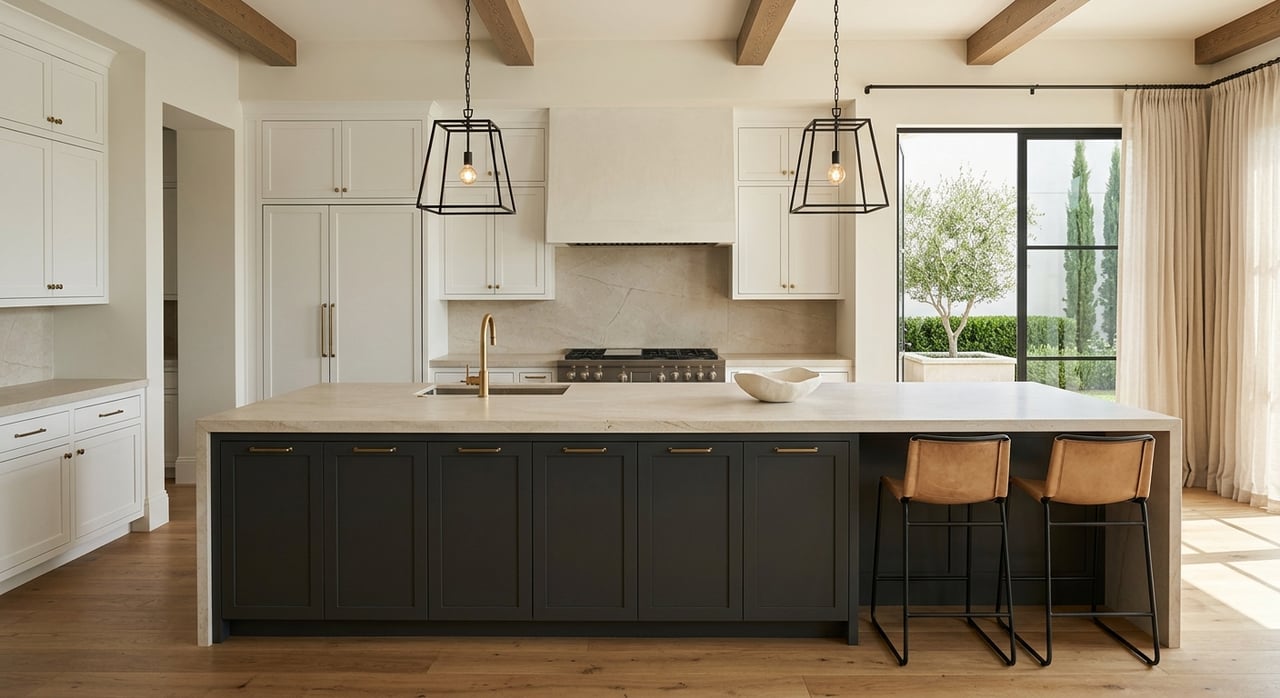
Selling A Renovated Home In Hillsborough
June 18, 2026
June 18, 2026
If you have renovated a home in Hillsborough, it is natural to wonder whether the market will fully reward the time, money, and effort you put into it. In a town where most homes sit on large lots and inventory is limited, buyers do notice quality, but they also look closely at fit, documentation, and price. This guide will help you understand how renovated homes are judged in Hillsborough, what can influence value, and how to present your property with confidence. Let’s dive in.
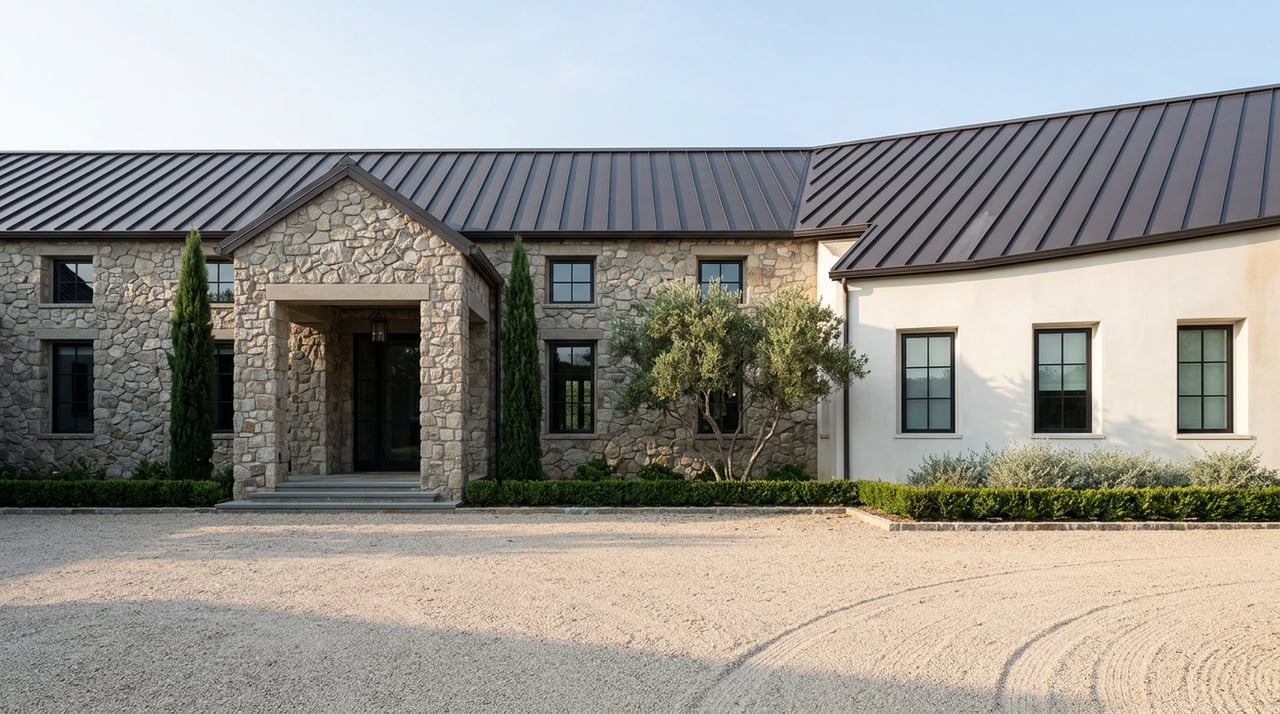
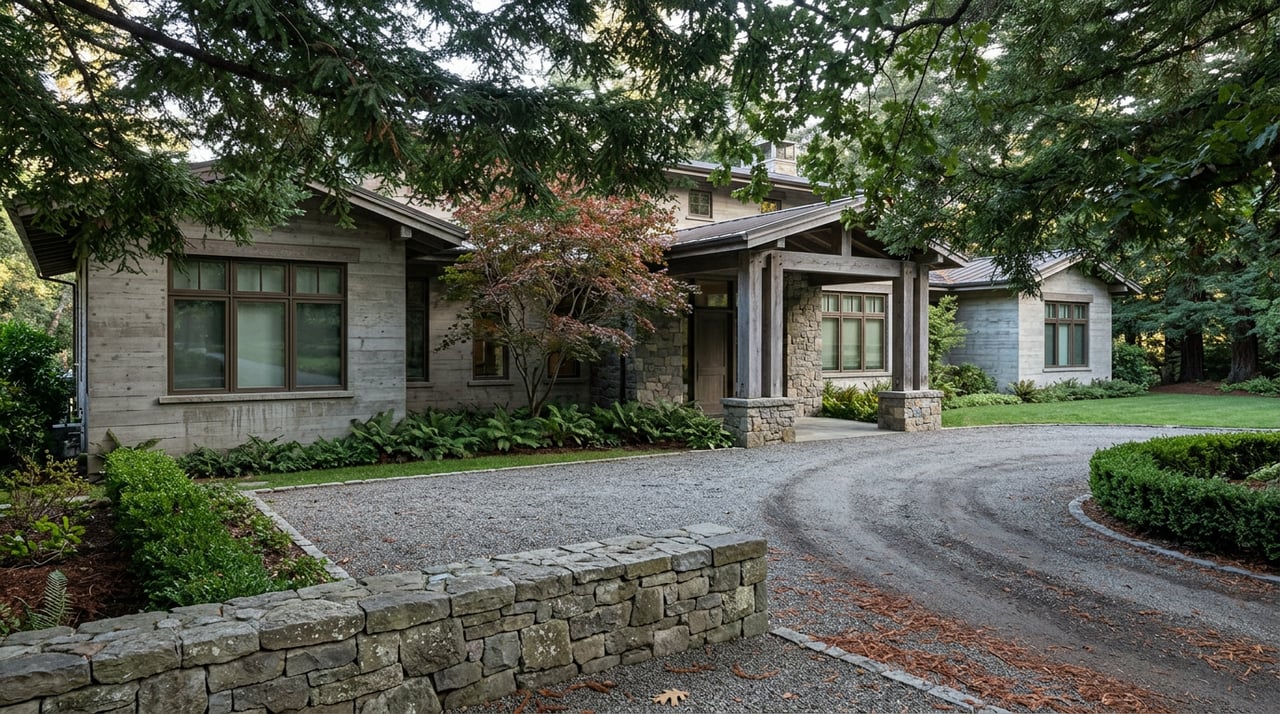
Hillsborough is not a typical suburban market. According to the Town’s housing element, it has one residential zoning district, primarily single-family development, minimum lot sizes of 0.5 acre, and a housing stock that is about 97% detached single-family homes.
That matters when you sell a renovated home. Buyers, agents, and appraisers are often comparing your property to a relatively small group of estate-style homes rather than a wide pool of similar listings. In a built-out town with limited vacant land and few underused sites, each property tends to stand on its own more than it would in a denser market.
Recent market data also shows why strategy matters. One recent tracker reported a median sale price above $7.1 million, 11 median days on market, and a 103.5% sale-to-list ratio, while another snapshot showed 31 homes for sale, a median listing price of $7.99 million, and 45 median days on market. The exact figures differ by source and timing, but the takeaway is consistent: Hillsborough is active, high-value, and still sensitive to pricing and positioning.
One of the biggest misconceptions sellers have is that renovation dollars should translate directly into sale price. In practice, that is not how valuation works.
Appraisers look at condition, construction, features, and comparable sales. They analyze what similar buyers have recently paid for similar homes in similar condition. That means your contractor invoices may support the story of the renovation, but they do not set market value by themselves.
San Mateo County’s Assessor makes a similar point. The value added by rehabilitation is determined case by case by comparing renovated and non-renovated properties to see what the market actually pays for those improvements. In other words, buyers reward the result they can see and compare, not simply the amount spent.
In Hillsborough, that issue can be even more pronounced because truly comparable homes can be hard to find. When a town is largely built out and made up mostly of custom detached homes, even well-qualified comparable sales may not be perfect matches. That makes the overall presentation of your renovation even more important.
In this market, buyers tend to respond best to renovations that feel cohesive, usable, and appropriate to the home. A polished kitchen or bath helps, but the bigger premium often comes from improvements that make the house feel complete and easy to live in.
That can include:
Cost-versus-value research also suggests a practical lesson. Exterior improvements often deliver better resale impact than more discretionary interior remodels. For Hillsborough sellers, that supports a disciplined approach: emphasize improvements that strengthen marketability and buyer confidence rather than assuming every luxury upgrade will return dollar for dollar.
In Hillsborough, permit status is not a minor detail. The Town states that permits are required for a wide range of work, including additions, kitchen and bathroom renovations, garage and basement work, plumbing, electrical, HVAC, landscaping, and solar.
The Town also notes that many design changes require both permit approval and design review approval. If a remodel changes the exterior appearance or the size of the home, design review approval is generally required before a building permit is issued. Smaller exterior changes or additions under 500 square feet may be handled administratively, while larger projects such as second-story additions may go to ADRB review.
This matters because unpermitted work can create real problems during a sale. Hillsborough warns that a seller may be required to remove an addition, leave it unoccupied, or complete costly repairs if modifications were done without permits. The Town also notes that insurers may not cover unpermitted work.
For a renovated listing, a clean permit trail is often part of the value story. It helps reduce uncertainty for buyers, supports the appraisal process, and makes your marketing claims more credible.
Even in a strong luxury market, a renovation only helps if the finished product matches what buyers are willing to pay for. Appraisers are required to describe condition and quality in factual terms, and they evaluate the home as a whole rather than rewarding spending in isolation.
That is especially important if your project included an addition. If there is unpermitted added space, appraisal guidance says the appraiser must comment on the quality and appearance of the work and assess its impact on value, if any. So the best story is not simply that you added square footage. It is that you added usable, market-appropriate, properly documented space.
This is one reason thoughtful preparation can outperform flashy spending. A home that is renovated, permitted, coherent, and well priced may attract stronger offers than a more expensive remodel with gaps in documentation or design fit.
If you renovated recently, your property tax picture may not look the way a buyer expects. San Mateo County’s Assessor says new construction, such as an addition or new structure, must be reassessed, and that value is added to the existing assessment.
The Assessor also notes that some kitchen and bath work can be assessable if it becomes the equivalent of a new kitchen or bath. More extensive rehabilitation may also be treated as major rehabilitation or new construction under California rules.
In addition, completed new construction can trigger a supplemental assessment. That can lead to a supplemental tax bill separate from the annual bill. If your renovation was completed in the past year or two, this is worth reviewing carefully before your home goes on the market.
A renovated home usually shows best when the facts are organized before listing. In Hillsborough, that means going beyond attractive finishes and preparing clear documentation that supports your asking price and reduces buyer uncertainty.
A useful pre-listing package often includes:
This package helps everyone involved. Buyers can better understand what was done, appraisers have clearer support for condition and quality, and disclosure conversations become more precise and less stressful.
A renovated home is not a disclosure-free home. In California, the Transfer Disclosure Statement applies to most transfers of single-family residential property, and the seller is still expected to provide meaningful information about the property’s condition.
That means the word “renovated” should never do more work than the facts support. If you know about a defect, incomplete work, or a recurring issue, it still needs to be addressed through proper disclosure. Renovation does not erase known conditions.
Expert reports can help here. California’s disclosure guidance recognizes that sellers may rely on reports from professionals such as engineers, contractors, or structural pest inspectors when making required disclosures. If your project involved structure, drainage, foundation, or major systems, those reports can help create a more complete and credible file.
Natural hazard disclosures may also apply and should be handled based on the specific parcel rather than broad assumptions. If the home was built before 1978, lead-based paint disclosure requirements may also apply, even if the property has been updated over time.
A polished renovation can absolutely improve marketability in Hillsborough, but it does not eliminate the need for pricing discipline. Recent sales activity has shown wide variation, with some homes selling at list and others well above list, and with days on market ranging from immediate sales to several weeks.
That spread tells you something important. Renovated does not automatically mean premium. The market still weighs quality, architectural fit, documentation, buyer appeal, and starting price.
In a selective market like Hillsborough, the best pricing strategy usually reflects both the renovation story and the limits of the available comparable sales. The goal is to let the market see the home’s value clearly, not force the story beyond what buyers and appraisers can support.
If you are preparing to sell a renovated home in Hillsborough, think in terms of proof, not just polish. The homes that tend to create the strongest response are the ones that feel visually complete, functionally improved, and professionally documented.
That is where a tailored listing strategy matters. From preparation and pricing to presentation and buyer communication, every decision should help reduce friction and strengthen confidence. In a market defined by estate properties, limited inventory, and high expectations, clarity can be just as valuable as luxury.
If you are weighing the best way to position a renovated property in Hillsborough, Michael Warren can help you build a discreet, market-smart strategy that reflects the home’s quality, documentation, and audience.
Stay up to date on the latest real estate trends.
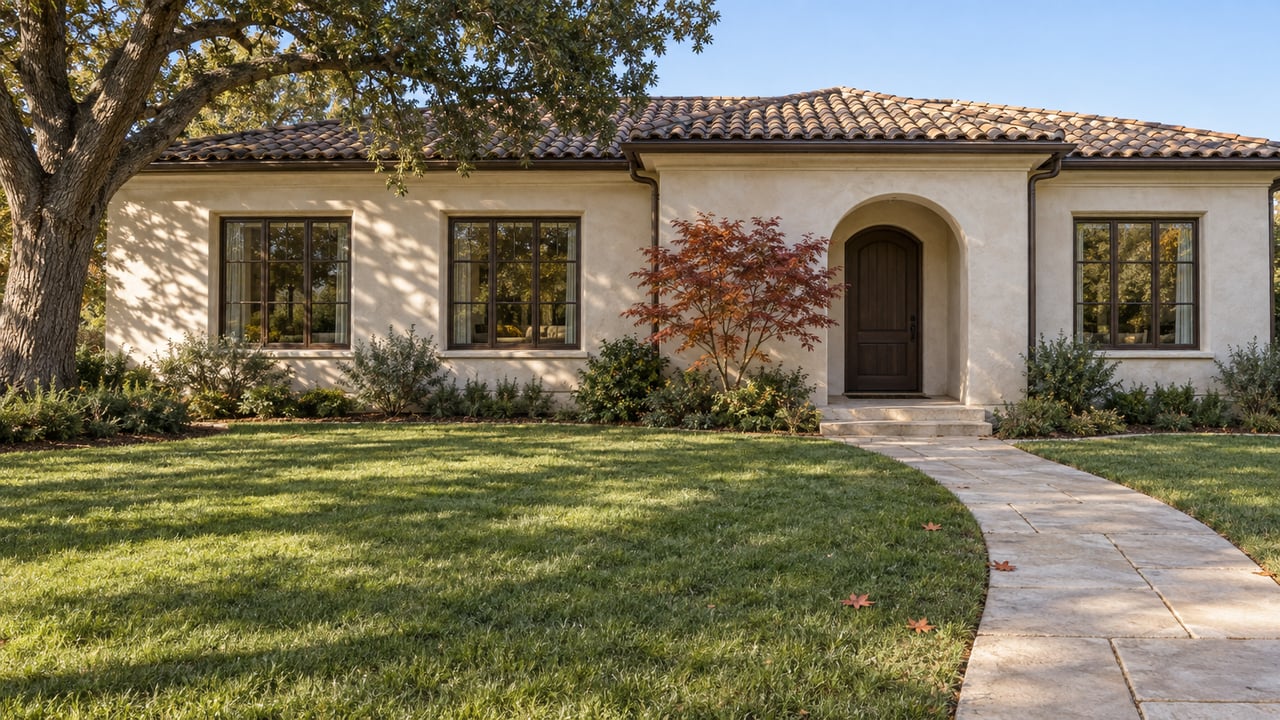
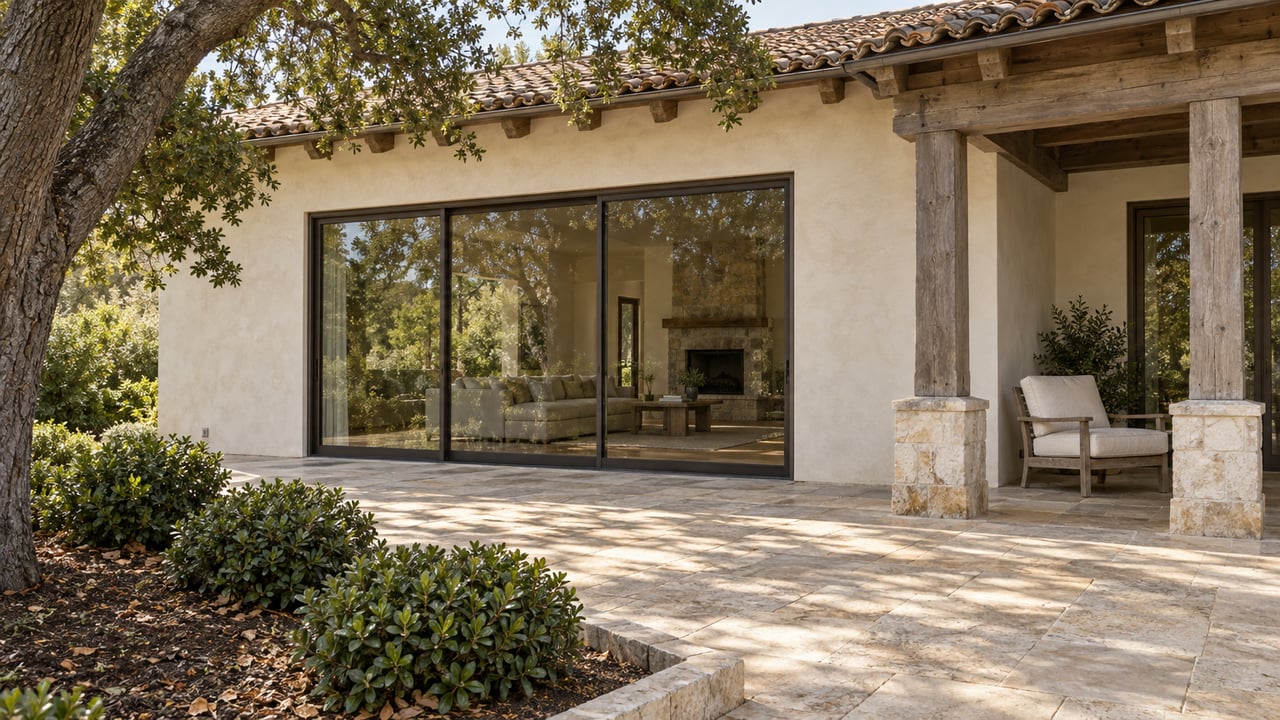
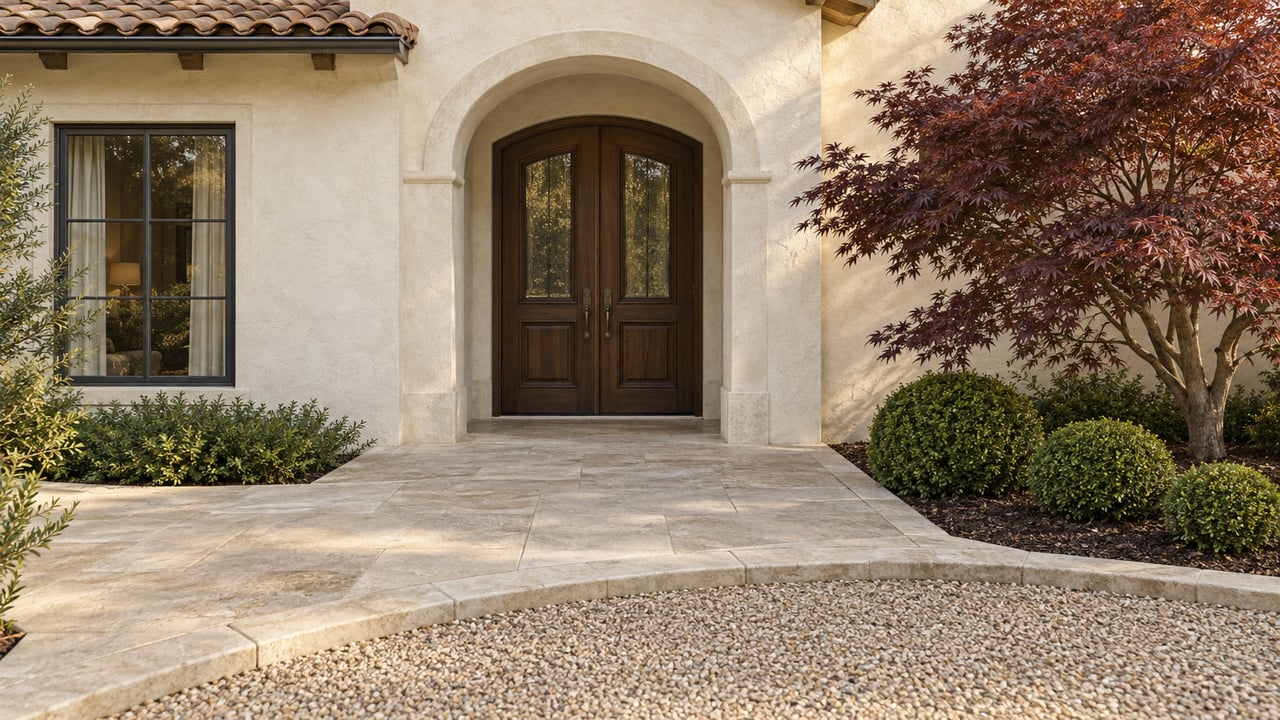
Whether it a first-time home buyer or a 10+ Million listing, Michael brings an innovative approach and earns the respect of his clients by working tirelessly on their behalf and always offering candid advice. Contact him today to discuss all your real estate needs!
Connect with Michael.

[email protected]
(650) 315-0224
License #01968537
2930 Woodside Road, Woodside, CA 94062