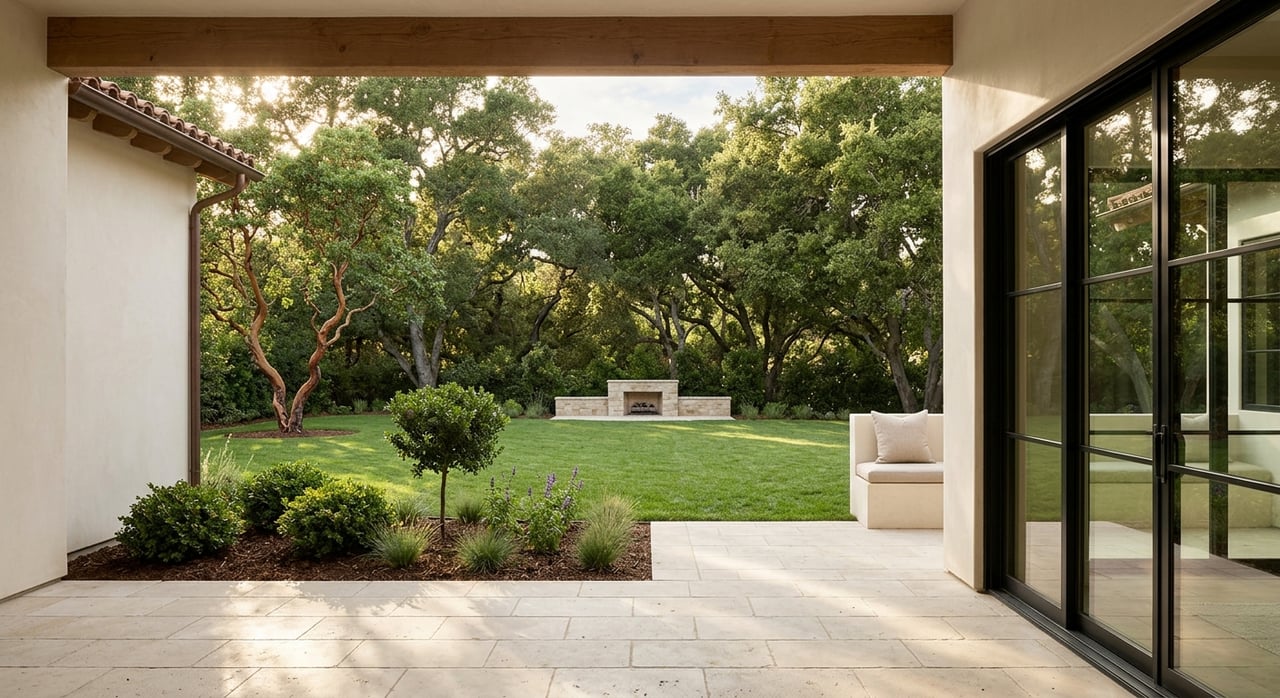
What It's Like Living in Portola Valley: Trails & Community
April 2, 2026
April 2, 2026
If you are looking for a Peninsula town where open space is part of daily life, Portola Valley stands out right away. You may be weighing privacy, access to nature, community connection, and practical day-to-day living all at once. This guide will help you understand what living in Portola Valley really feels like, from trails and town events to schools and commuting. Let’s dive in.
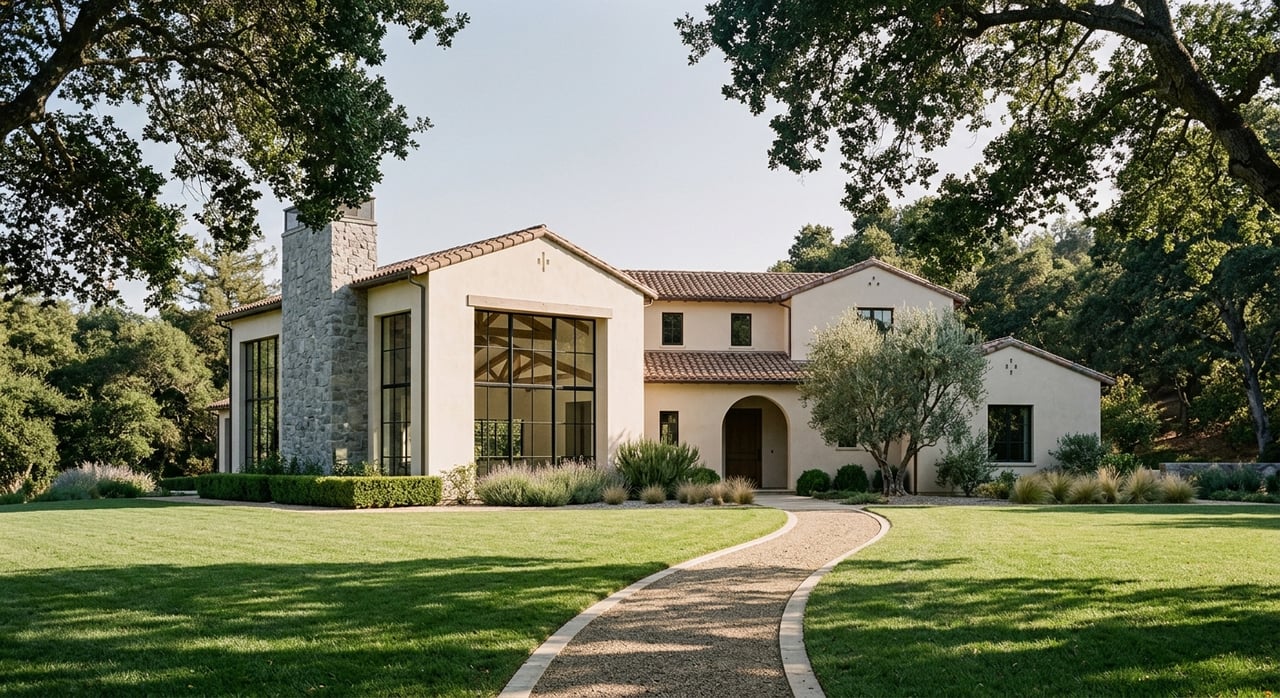
Portola Valley has a very different feel from many nearby Peninsula communities. According to the town, it incorporated in 1964 with a focus on preserving land, fostering low-density housing, keeping government costs low, and limiting services. That long-term approach still shapes the town today.
The result is a small, wooded community with about 4,500 residents, around 1,700 households, and 1,900 acres of permanent open space, according to the Town of Portola Valley overview. If you value room to breathe, quiet surroundings, and a rural ambiance close to major job centers, that character is a big part of the appeal.
In Portola Valley, trails are not just a weekend extra. They are woven into the town’s layout and daily rhythm. The town’s Public Works department says it maintains 35 miles of streets and 36 miles of trails, which means the trail network is nearly equal to the road network.
That balance says a lot about how the town functions. You can see why many residents think about walking, riding, and outdoor access as part of normal life rather than a special outing.
The Portola Valley trails information highlights a local network that includes destinations such as Coal Mine Ridge and Larry Lane Trail. The town also notes connections that support Safe Routes to School between the schools, Town Center, and Ford Field.
For many buyers, this is one of the clearest lifestyle advantages of living here. You are not just near open space. In many cases, you are living within a community designed to keep that access front and center.
One of the best-known nearby destinations is Windy Hill Open Space Preserve. The preserve has overflow parking at the Portola Valley Town Center, along with a half-mile roadside trail to the Lower Windy Hill parking area.
That setup makes it easier to fit outdoor time into a regular day. Whether you enjoy hiking, biking, or horseback riding, the preserve adds another layer to Portola Valley’s outdoors-oriented identity.
Not every outing needs to be a long trek. Spring Down Open Space offers a one-third-mile loop around a meadow and pond near Town Center.
This kind of nearby, easy-access space matters more than people often expect. It creates simple options for a short walk, time outside with children, or a quick reset between work and evening plans.
Portola Valley does not revolve around a dense downtown retail scene. Instead, community life tends to gather around shared spaces, local traditions, schools, and outdoor events. That gives the town a quieter but very connected rhythm.
The town’s community events calendar and Town Sponsored Events page show a full lineup that includes a Thursday farmers’ market, Town Picnic/Zotts to Tots, Summer Concert Series, Community Trail Walk, Horse Fair, Neighborhood Cleanup Days, and more.
A lot of that activity centers on the Town Center campus. The campus includes a county library with Wi-Fi, a children’s reading room, and special activities, along with Community Hall, playing fields, and the Historic Schoolhouse.
These spaces give Portola Valley a real civic heart. Instead of depending on commercial activity to create energy, the town uses public gathering spaces and local programming to bring people together.
The town also notes that volunteer committees sponsor hikes, picnics, music recitals, art exhibits, speakers’ evenings, book signings, theater performances, classes, and athletic events. That pattern suggests a community where participation matters.
If you are looking for a place that feels engaged without feeling busy or overbuilt, Portola Valley offers a distinct balance. The pace is calm, but the calendar is active in a very local way.
For many buyers, schools are a key part of the Portola Valley decision. The Portola Valley School District says it serves just over 500 students, with TK through grade 3 at Ormondale and grades 4 through 8 at Corte Madera. The district also describes both schools as having small class sizes and strong parent volunteer support.
According to the Portola Valley School District, Ormondale Elementary is located at 200 Shawnee Pass and Corte Madera School is at 4575 Alpine Road. California Department of Education profiles cited in the research report list enrollment at 245 for Ormondale and 258 for Corte Madera.
Both schools have also received state recognition. Ormondale was named a California Distinguished School in 2023, and Corte Madera received that designation in 2024.
After eighth grade, students move into the Sequoia Union High School District, which serves Portola Valley and other Peninsula communities. Portola Valley is also home to Woodside Priory, a private independent school serving grades 6 through 12.
It is important to keep school research practical and personal. Attendance, enrollment, programs, and fit can change over time, so buyers should always verify current details directly with the relevant districts and schools.
Portola Valley is often appealing because it offers a sense of separation without feeling remote. You are in a setting shaped by trees, open space, and low-density development, yet still connected to the broader Peninsula.
In practice, daily life often revolves around a few core patterns:
That rhythm is very different from life in a more urbanized or retail-heavy area. If you want a town where nature and home life set the tone, Portola Valley has a strong identity.
Lifestyle is the headline here, but mobility matters too. The town’s General Plan includes transportation, trails and paths, and scenic roads and highways, and it notes that part of Highway 280 is within the planning area.
That can be a real advantage for regional access. At the same time, Portola Valley is not a transit-first community, and most day-to-day transportation is best understood through that lens.
Current SamTrans service is more school-oriented than commuter-oriented. The research report notes that Route 85 stops at Portola Valley Town Hall, Corte Madera School, and Ormondale Elementary, while Route 87 serves Ormondale Elementary and Portola/Family Farm.
The town also has a Bicycle, Pedestrian & Traffic Safety Committee focused on safer conditions for motorists, pedestrians, and cyclists. Still, for most residents, a reasonable expectation is that commuting and errands are primarily car-based, with transit playing a secondary role.
Portola Valley tends to resonate with buyers who want space, privacy, and a more natural setting on the Mid-Peninsula. It can be especially compelling if you are looking for:
That does not mean it is the right fit for everyone. If your priority is walkable commercial activity, frequent transit, or a busier urban feel, you may find the town’s pace more restrained than what you want.
The best way to think about Portola Valley is as a lifestyle choice built around land, access to nature, and community habits that have stayed intentionally low-key. The town’s history, trail network, public spaces, and school structure all reinforce that identity.
If that combination matches what you want, Portola Valley can offer a rare kind of Peninsula living. And if you want help understanding how specific properties, locations, and access points line up with your priorities, Michael Warren can help you navigate the Portola Valley market with local insight and a discreet, tailored approach.
Stay up to date on the latest real estate trends.
Whether it a first-time home buyer or a 10+ Million listing, Michael brings an innovative approach and earns the respect of his clients by working tirelessly on their behalf and always offering candid advice. Contact him today to discuss all your real estate needs!
Connect with Michael.
[email protected]
(650) 315-0224
License #01968537
2930 Woodside Road, Woodside, CA 94062