Compass Concierge for Woodside Sellers: Prep Priorities
May 7, 2026
May 7, 2026
Selling a Woodside acreage estate is rarely as simple as fresh paint and a few listing photos. On larger properties, the work that adds value often overlaps with permits, wildfire cleanup, access improvements, and careful timing. If you are considering Compass Concierge as part of that process, it helps to understand what it can do, where it fits, and how to prepare your property for a stronger launch. Let’s dive in.
Compass Concierge is designed to front the cost of eligible home-improvement services so you can prepare your home for market without paying those costs upfront. According to Compass, payment is due when the home sells, when the listing ends, or after 12 months, and eligibility is subject to credit approval and underwriting through Notable Finance. Compass also notes that it is not the lender and that state-specific fees or interest may apply.
For a Woodside estate seller, that matters because pre-sale work on acreage can become capital-intensive very quickly. A larger home, long driveway, gates, fencing, landscaping, pool or tennis court areas, and outbuildings can all need attention at the same time. Concierge can help you approach those items as part of one coordinated pre-listing plan rather than a series of separate decisions.
Compass also positions Concierge within a phased launch strategy. The typical sequence is to identify the highest-value projects, complete the work with contractors and vendors, and then bring the property to market. Compass also offers Private Exclusive and Coming Soon as pre-launch options before a full public MLS release.
On a Woodside acreage property, preparation is not just about appearance. It is also about whether site work, vegetation removal, driveway changes, or exterior improvements trigger review by the town or county. That is why planning early can make a major difference in how smoothly your listing timeline unfolds.
The Town of Woodside Building Department reviews and issues permits for structural, mechanical, electrical, plumbing, accessibility, and related work. Town guidance also says that when a project needs both planning and building permits, planning comes first. Woodside Planning encourages applicants to meet with a planner before submitting and requires both hard-copy and electronic submittals before routing an application.
That sequence is especially important if your pre-sale plan includes more than cosmetic work. On acreage estates, even projects that look straightforward can affect the schedule once planning review, engineering review, utility input, or fire district requirements come into play.
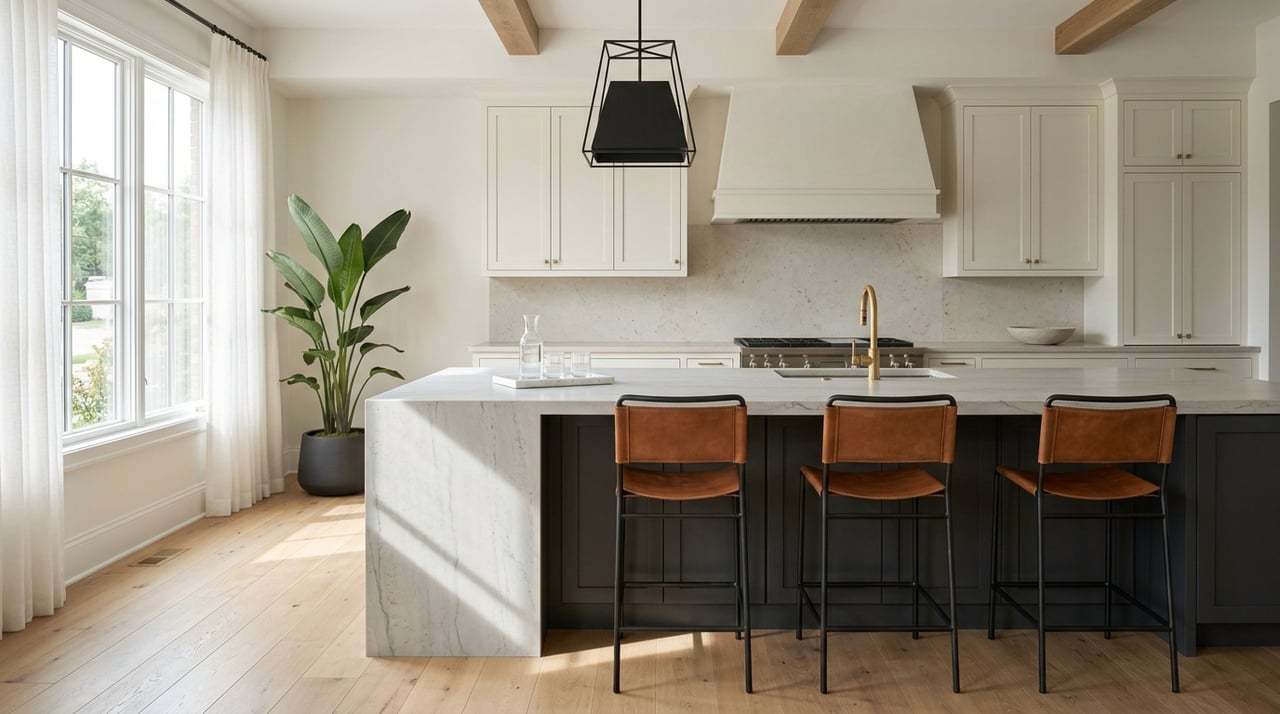
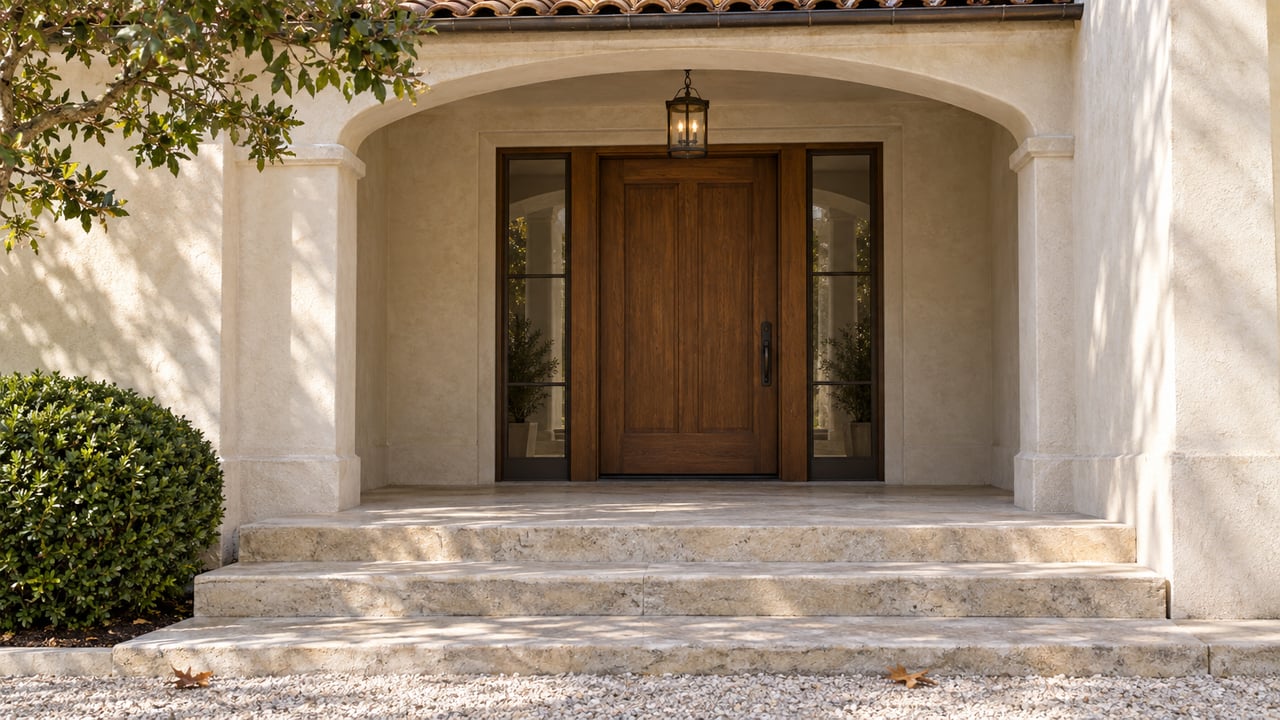
The strongest pre-sale improvements are usually the ones that either sharpen first impressions, remove buyer concerns, or reduce inspection-related friction. On a Woodside estate, that often means focusing first on the arrival experience, the main living spaces, and the most visible outdoor areas.
Compass Concierge covers many of the services that matter most on larger properties, including staging, landscaping, interior and exterior painting, fencing, roofing repair, HVAC, pest control, moving and storage, plumbing, kitchen and bath improvements, pool and tennis court services, seller-side inspections and evaluations, and sewer lateral inspections and remediation.
In practical terms, the highest-impact prep often includes:
These improvements tend to work because they make the property feel cared for and easier to understand. They also help reduce the number of visible distractions that can pull attention away from the estate’s scale, setting, and architecture.
Staging continues to be one of the clearest ways to improve presentation before launch. The National Association of Realtors defines staging as cleaning, decluttering, repairing, depersonalizing, and updating a home. In its 2025 survey, 29% of agents said staging increased offered value by 1% to 10%, and 49% said it reduced time on market.
NAR also found that buyers place strong importance on photos, traditional staging, video tours, and virtual tours. For sellers, the most commonly staged spaces are the living room, primary bedroom, dining room, and kitchen. On a Woodside estate, those same spaces often carry the emotional weight of the property in both in-person showings and digital marketing.
If the home will be vacant, a physical staging plan or a hybrid plan that combines staging with strong photography is often the more defensible path. That is especially true on larger homes where scale can feel empty or hard to read in photos without furniture, lighting, and proper room definition.
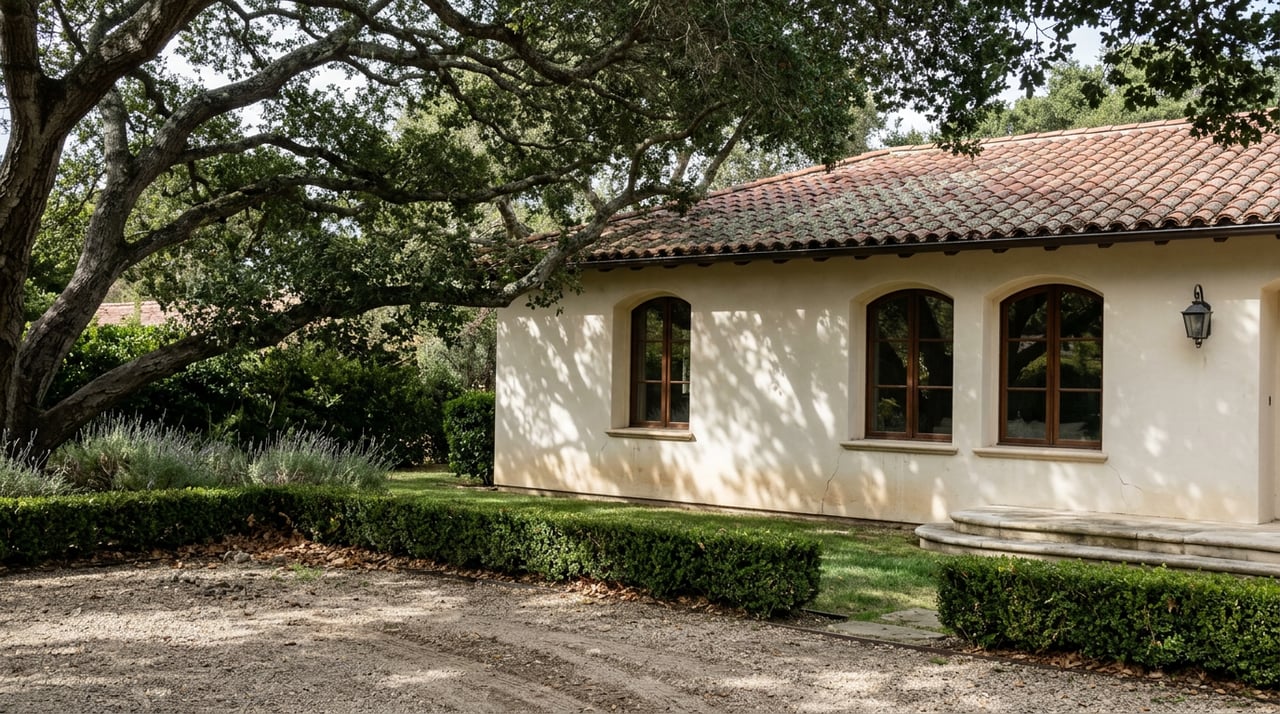
One common mistake on acreage properties is focusing only on the main residence. Buyers usually notice the full property experience, which can include guest structures, stables, sheds, storage buildings, gates, walls, driveways, and recreational amenities.
Woodside’s permit portal separately identifies items such as fence and wall permits, tree-destruction permits, and private-stable permits. That is a useful reminder that outbuildings and accessory features should be reviewed early rather than treated as simple cleanup items.
Even smaller structures can require review. Woodside says detached accessory structures under 120 square feet do not need a building permit only if they have no plumbing, electrical, or mechanical equipment, but they still require a planning permit. Fences, gates, and walls may also require separate planning review.
For many Woodside sellers, the biggest surprise is not the cost of preparation. It is the time coordination required to do that work correctly. Site-development rules can apply when terrain is altered or vegetation is removed to prepare land for use, and the town’s checklist identifies major grading, driveway construction, new pools, septic-related work, drainage changes, and percolation testing as examples that can trigger review.
The checklist also notes that site work may require review by the Town Engineer, Planning, utility companies, the Fire District, and other agencies. If your prep plan touches the land itself, the path to market may be longer than expected.
Seasonality matters too. Woodside’s permit FAQ states that no grading work is allowed from October 15 through April 15, and exposed graded surfaces must be winterized by November 1. If your property needs earthwork, drainage correction, or driveway improvements, waiting too long to start can push the project into the next listing window.
Some Woodside parcels have utility conditions that are less obvious than what appears in marketing materials. San Mateo County says Environmental Health Services may need to evaluate whether there is adequate sewage disposal and potable water supply for certain properties. The county also states that well construction requires a permit.
If your estate includes a well or septic system, those details should be addressed early in the prep process. They may affect inspections, disclosures, buyer comfort, and project planning. This is another reason why a pre-list review can be more valuable on acreage property than on a more typical in-town home.
In Woodside, wildfire readiness is no longer a side issue. It is part of responsible property preparation. The Woodside Fire Protection District adopted Fuel Mitigation Ordinance No. 24-01 in 2024, requires defensible space around homes, runs assessments by zone on a three-year rotation, and gives property owners at least two years to comply.
The Town of Woodside also offers a matching-fund program that reimburses 50% of approved defensible-space or home-hardening work, up to $3,000. Town guidance includes dead-brush removal, mowing annual grasses, and limbing up trees within 100 feet of a structure.
Woodside also runs a chipping program from May through November. For sellers preparing a large parcel, that can be a practical way to clear brush before photography, staging, and showings begin.
From a listing perspective, wildfire-related cleanup can improve both presentation and buyer confidence. It also helps reduce the risk that obvious exterior maintenance issues become a distraction during due diligence.
For most acreage estates, the most practical path is a staged launch rather than a rushed one. The goal is to make each dollar and each week of preparation count.
A strong sequence often looks like this:
This approach aligns well with Compass’s phased marketing model and with the realities of Woodside property preparation. It also gives you space to solve issues before the home reaches its widest audience.
With any pre-sale spending, the right question is not whether every project will produce a precise return. The better question is whether the work improves the first impression, removes a likely objection, or reduces market friction.
Compass states that there is no guarantee or warranty of results. NAR’s 2025 staging survey also shows that outcomes vary by property. Still, the directional evidence is useful: staging often helps, and many agents report benefits in both value perception and time on market.
For a Woodside acreage estate, costs may run higher than on a smaller home simply because there are more spaces, more structures, and more land to prepare. That makes project selection even more important. The best strategy is usually not to do everything. It is to do the right things in the right order.
In a market like Woodside, that usually means balancing polish with diligence. A beautiful launch matters, but so does thoughtful coordination across presentation, permits, lot maintenance, and wildfire readiness.
If you are preparing a Woodside estate for sale, a careful pre-market strategy can help you protect privacy, avoid unnecessary delays, and present the property with confidence. To discuss a discreet, tailored launch plan, connect with Michael Warren.
Stay up to date on the latest real estate trends.
Whether it a first-time home buyer or a 10+ Million listing, Michael brings an innovative approach and earns the respect of his clients by working tirelessly on their behalf and always offering candid advice. Contact him today to discuss all your real estate needs!
Connect with Michael.
[email protected]
(650) 315-0224
License #01968537
2930 Woodside Road, Woodside, CA 94062